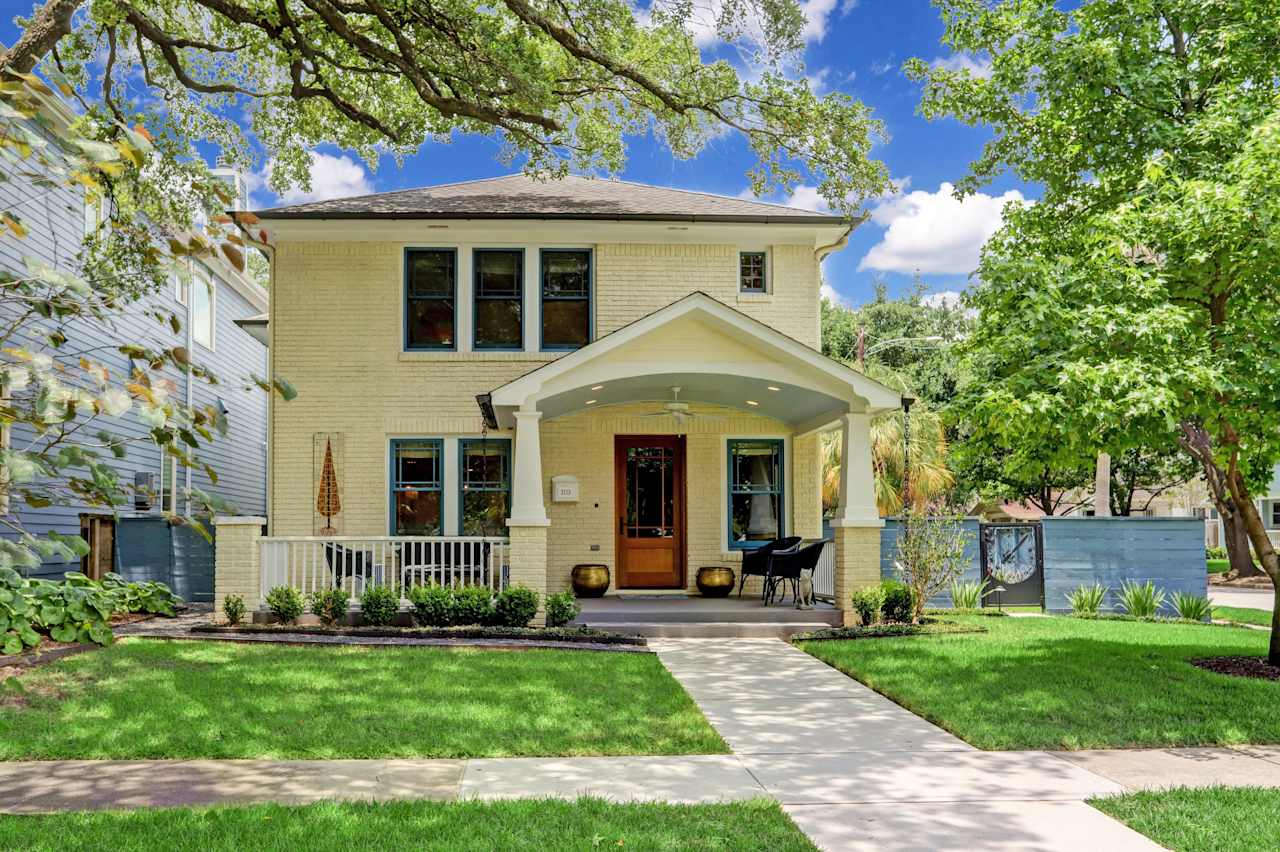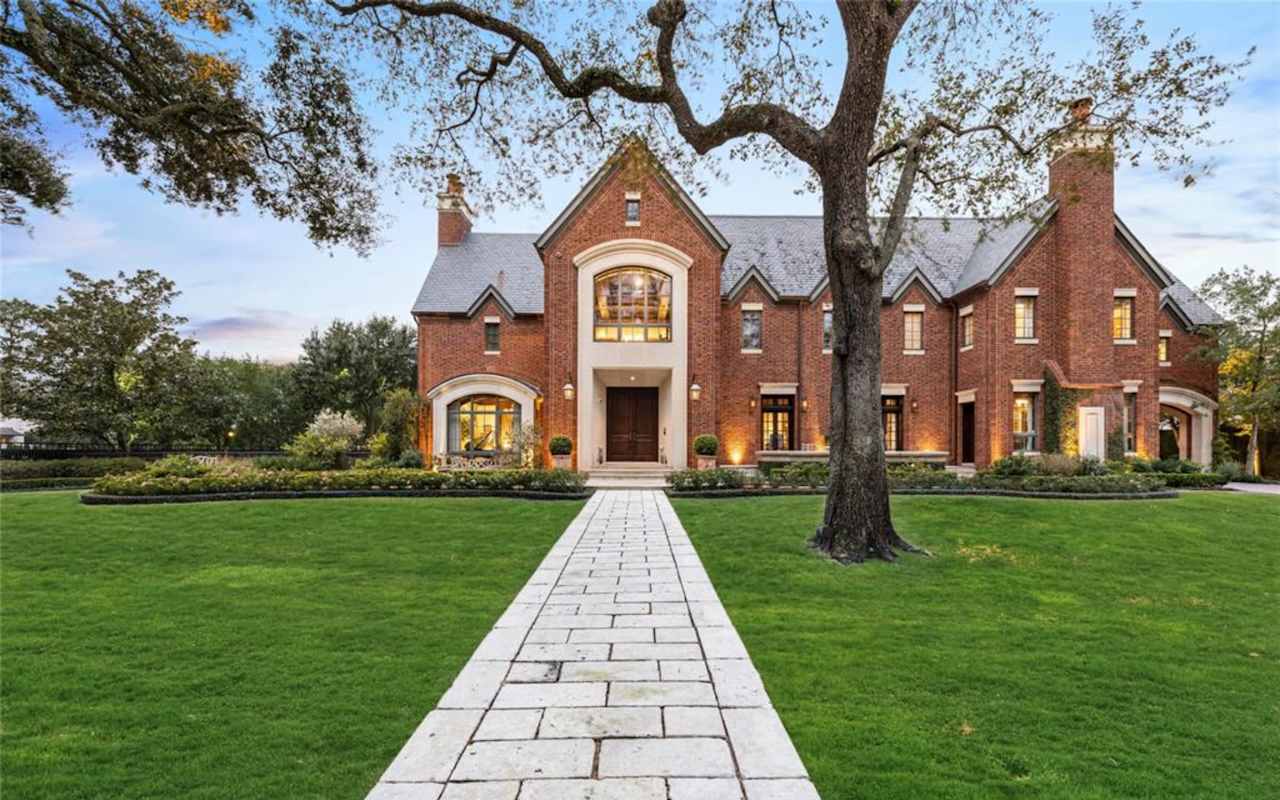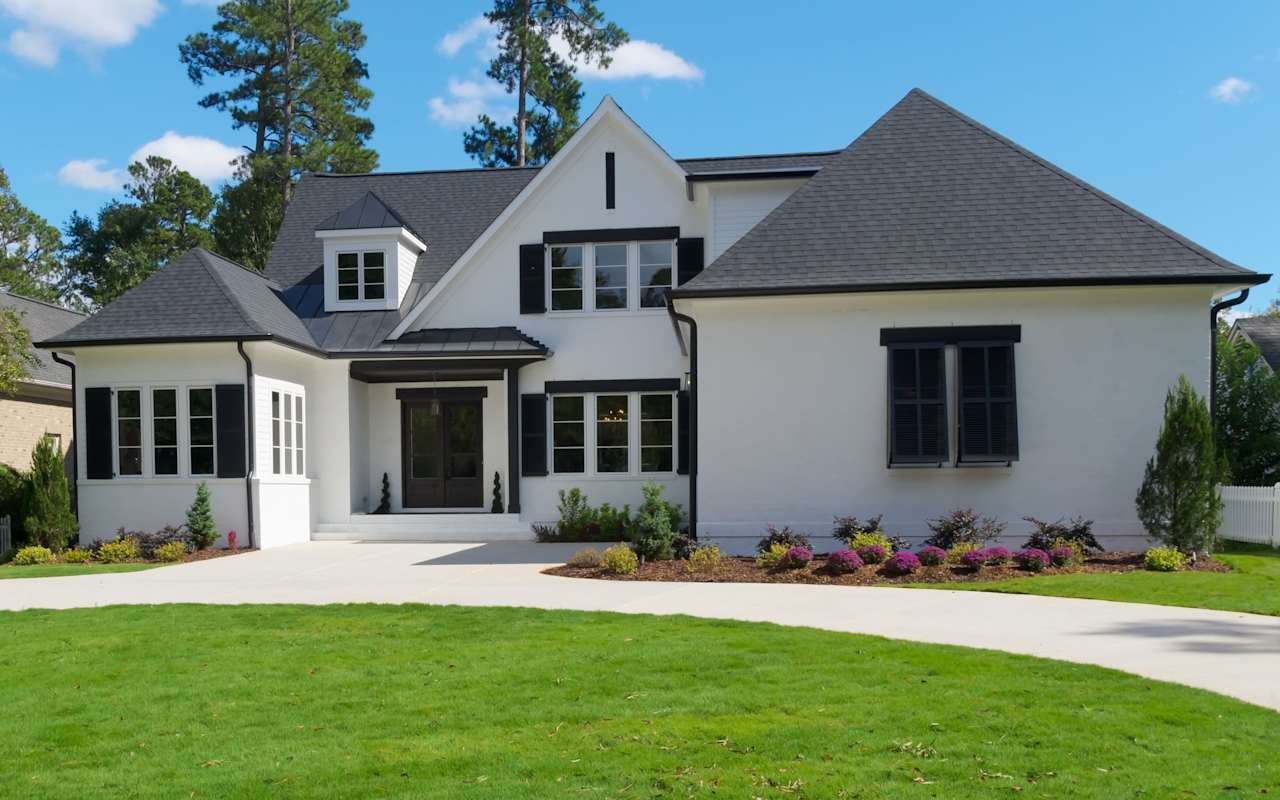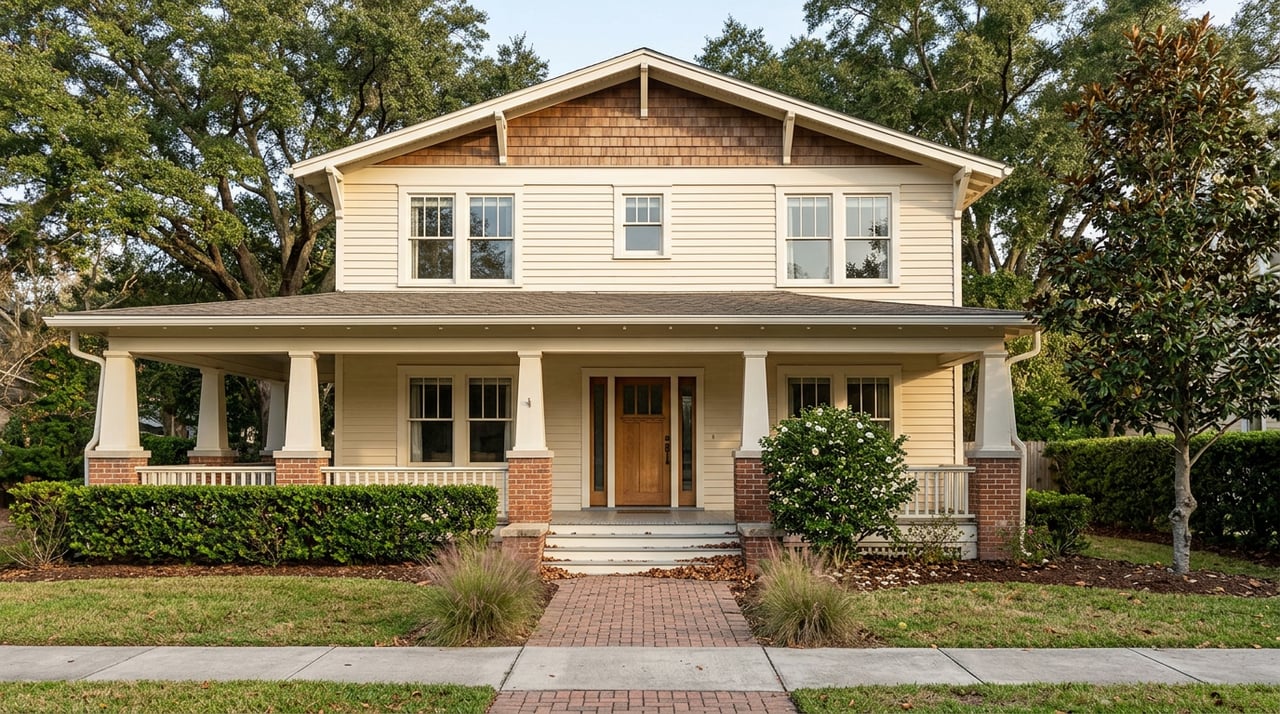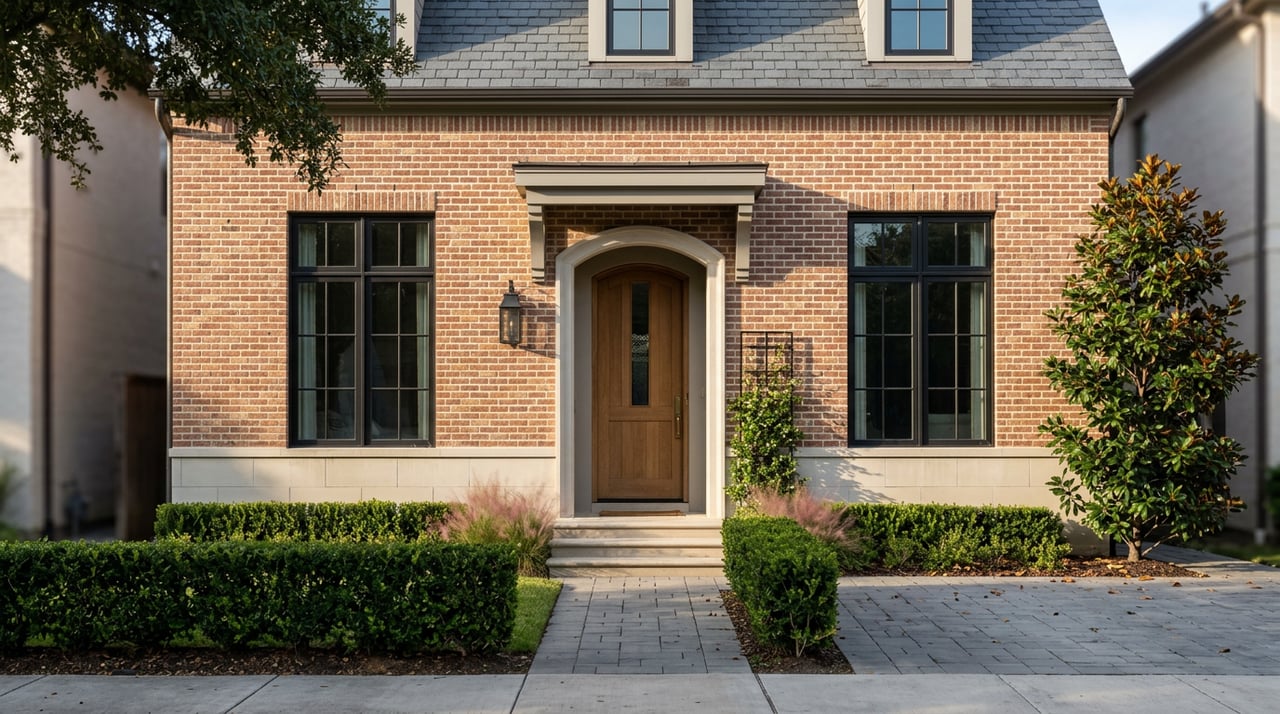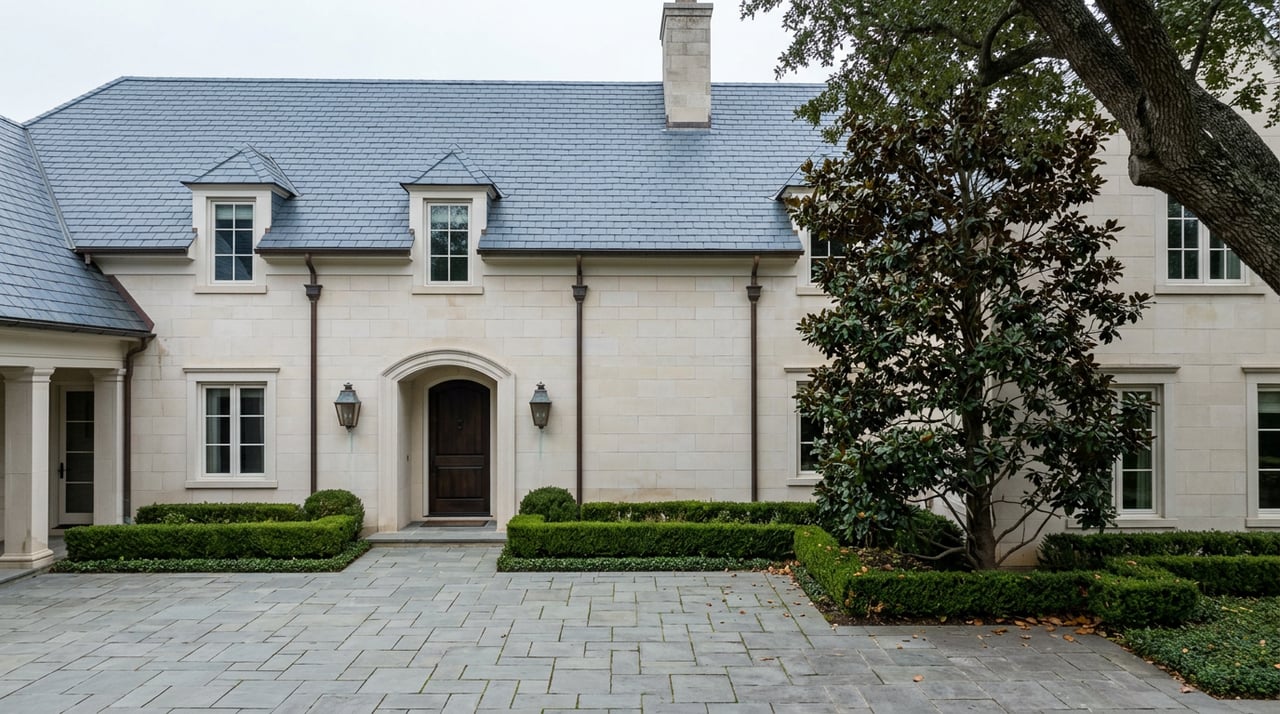
Picture two listings a few blocks apart, both on quiet streets inside the loop, both walkable to Rice Village. One sits in West University Place, where the deed restrictions and the city's own zoning have never allowed anything but a single-family house on its own lot. The other sits in Southampton, on a street where a townhouse went up two years ago without a fight. If you learned only one fact about these two neighborhoods, that one permits a wider range of housing and the other doesn't, you'd expect the more flexible market to price a little softer. It doesn't. The two trade in the same band, and the reason has less to do with what's allowed to be built than with how rarely anything here changes hands at all.
That gap between what the zoning would predict and what the market actually shows is the real story for anyone cross-shopping these two addresses.
Two Neighborhoods, One Founding Year, Different Rulebooks
Southampton Place and West University Place both trace back to 1924, but they took opposite paths that same year. Southampton was platted as a residential subdivision governed by private deed restrictions. West University incorporated as its own municipality, with its own city government, police department, and zoning authority.
That split still shapes what you can build on each side of Kirby Drive a century later. West University's control over land use runs through city hall. Southampton's runs through the Southampton Civic Club, a mandatory homeowners association formed in 1929 that enforces the original developer's deed restrictions rather than a municipal code.
A civic club and a city government sound similar on paper. In practice, one is a corporate body of neighbors interpreting a decades-old covenant, and the other is a government with zoning power. That difference is where the housing-type gap between the two neighborhoods starts.
The Rule That Let Townhomes In
Southampton's deed restrictions include a mechanism that most buyers never hear about until they're deep into due diligence: architectural and land-use standards can be set to whatever the majority of existing structures on a block already look like, generally described as a 70 percent threshold. If enough of a street has already shifted toward townhouse or mid-rise product, that becomes the new baseline the restriction measures against.
The Rice Thresher, Rice University's student newspaper, reported on exactly this pattern in a November 2025 piece on housing near campus. Townhouse and mid-rise projects have gone up across the neighborhood, the paper noted, "without major resistance" from residents, a sign of how much room the deed restrictions actually leave for compromise.
The same article named Boulevard Oaks, Southgate, and Montrose as nearby neighborhoods operating under comparable deed-restriction structures, which tells you this isn't a one-off quirk of a single street. It's a structural feature of how several inner-loop, deed-restricted neighborhoods near Rice have handled growth for years.
West University took a different route. Its transformation over the past few decades has run almost entirely in one direction: older bungalows coming down, larger single-family homes going up on the same footprint. The housing stock got bigger and more expensive, but it never diversified into townhouse or multifamily product the way Southampton's has on certain blocks.
The Number That Should Have Moved, and Didn't
If you believe basic supply logic, adding a housing type that costs less to build and occupies less land should eventually show up as a discount in the neighborhood average. A commercial market analysis of the retail corridor connecting the two neighborhoods put average home values at close to 1.9 million dollars in Southampton and 2 million dollars in West University. That's a gap of roughly 100,000 dollars, at the far tail end of a market where the citywide average home price sat at 471,087 dollars in September 2026 with an average of 200 dollars per square foot.
In other words, at the scale these two neighborhoods operate, a 100,000 dollar spread is closer to rounding error than to evidence that added housing variety is pulling Southampton's price down. Whatever discount townhomes should theoretically create hasn't reached the neighborhood-level number.
| Southampton | West University Place | |
|---|---|---|
| Governing body | Southampton Civic Club deed restrictions | City of West University Place zoning |
| Housing types permitted | Single-family plus townhouse and mid-rise on qualifying blocks | Single-family only |
| Average home value | Approximately $1.9 million | Approximately $2 million |
| Active listings (Sept. 2026) | Roughly 9 to 15 across major platforms | Higher inventory, broader price spread |
| Sales in trailing month (Sept. 2026) | 2 | Not comparable at this scale |
Why the Average Never Felt the Difference
The explanation isn't that the townhomes don't exist. It's that almost nothing in Southampton trades often enough for their presence to move the number.
Local market guides describing Southampton consistently point to the same pattern: properties here often stay with the same family for decades rather than cycling through the market the way homes do in faster-turnover neighborhoods. That shows up directly in the transaction data. As of September 2026, only two Southampton homes had sold in the trailing month, and active listings across major platforms ranged from single digits to about fifteen. Homes that did list carried a median time on market of roughly 55 days.
When a neighborhood produces that few transactions in a given month, the average value isn't really an average of the neighborhood. It's an average of whichever handful of properties happened to close. Most quarters, that handful skews toward legacy estate resales, the rare moment a multi-decade owner finally sells, or new construction built on one of the equally rare available lots. Both of those categories price at the high end almost by definition.
The townhomes, meanwhile, tend not to resell quickly either. Buyers who choose a newer, smaller-footprint product in a legacy neighborhood are often making a deliberate trade of lower maintenance for proximity, and they tend to stay put for the same reasons the estate owners do. Fewer townhome resales means fewer chances for that product to pull the visible average toward anything lower.
The zoning flexibility is real. It just hasn't had enough transaction volume behind it yet to register as a price signal.
What This Means If You're Comparing the Two
If you're deciding between Southampton and West University, the neighborhood-level average is close to useless for actually pricing what you want to buy. The two averages sit near each other, but they're each built from a thin, uneven sample that doesn't necessarily include the product type you're shopping for.
A few practical takeaways follow from that:
- If you want a legacy lot on a tree-lined Southampton street, expect a long wait. These are the homes least likely to list, and when one does, it usually reflects a genuine generational transition rather than routine turnover.
- If a townhouse or mid-rise unit on a qualifying Southampton block fits your needs, don't expect the neighborhood average to reflect a discount for it. Price that unit against comparable product, not against the headline number for the neighborhood.
- Before you assume a specific Southampton block will always look the way it looks today, it's worth asking whether that street's deed restriction already reflects the 70 percent standard for newer construction. That single fact tells you whether more density could arrive on your block later, which matters as much for a buyer planning to stay as for one thinking about resale.
- In West University, the comparison is simpler because the housing type is more uniform. The tradeoff there is fewer options, not fewer transactions.
None of this means one neighborhood is a better value than the other. It means the two averages you'll see on any portal are measuring different things dressed up as the same number, and a buyer who treats them as directly comparable is going to misjudge what their budget actually buys on either street.
A Couple of Questions Worth Asking Directly
Why do so few Southampton homes come up for sale in a given year? Multi-generational ownership is common here, and the deed-restricted lot supply is essentially fixed. When an area has little turnover and almost no new land to build on, the number of annual sales stays small no matter how much demand exists.
Does a townhome on my block affect what my single-family home is worth? Not automatically. Because so few properties of either type resell in a given year, the two rarely compete directly for the same buyer or the same appraisal comp. The more relevant question is whether your specific block's deed restriction has shifted to the 70 percent standard, since that determines what could be built near you going forward.
If you're trying to figure out what a specific Southampton or West University address is actually worth, rather than what the neighborhood-wide average suggests, that's a comps conversation, not a portal search. Gayle G. Kennedy has spent two decades reading these blocks house by house and can put together a real pricing picture for your situation. Request a complimentary home valuation and consultation whenever you're ready to look past the average and at the actual comparables that apply to your search.