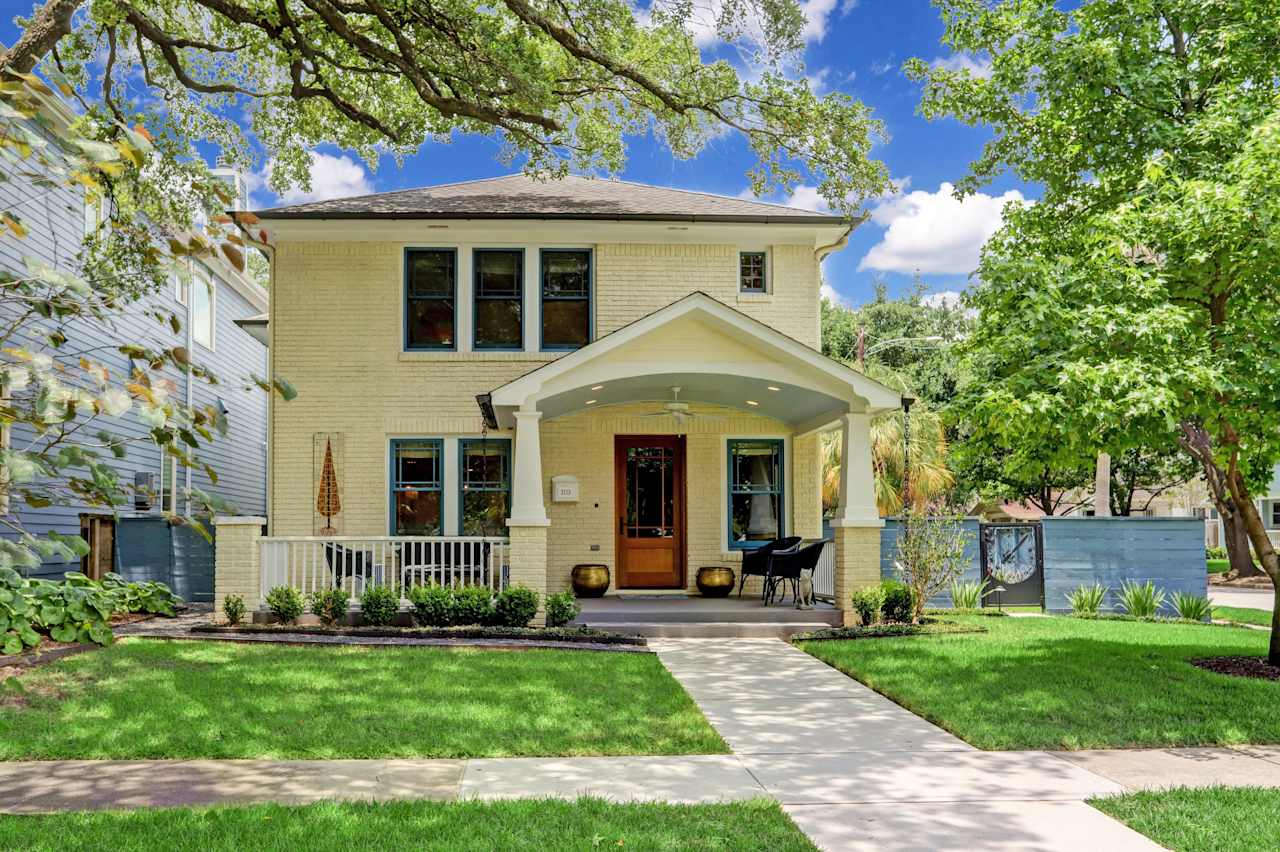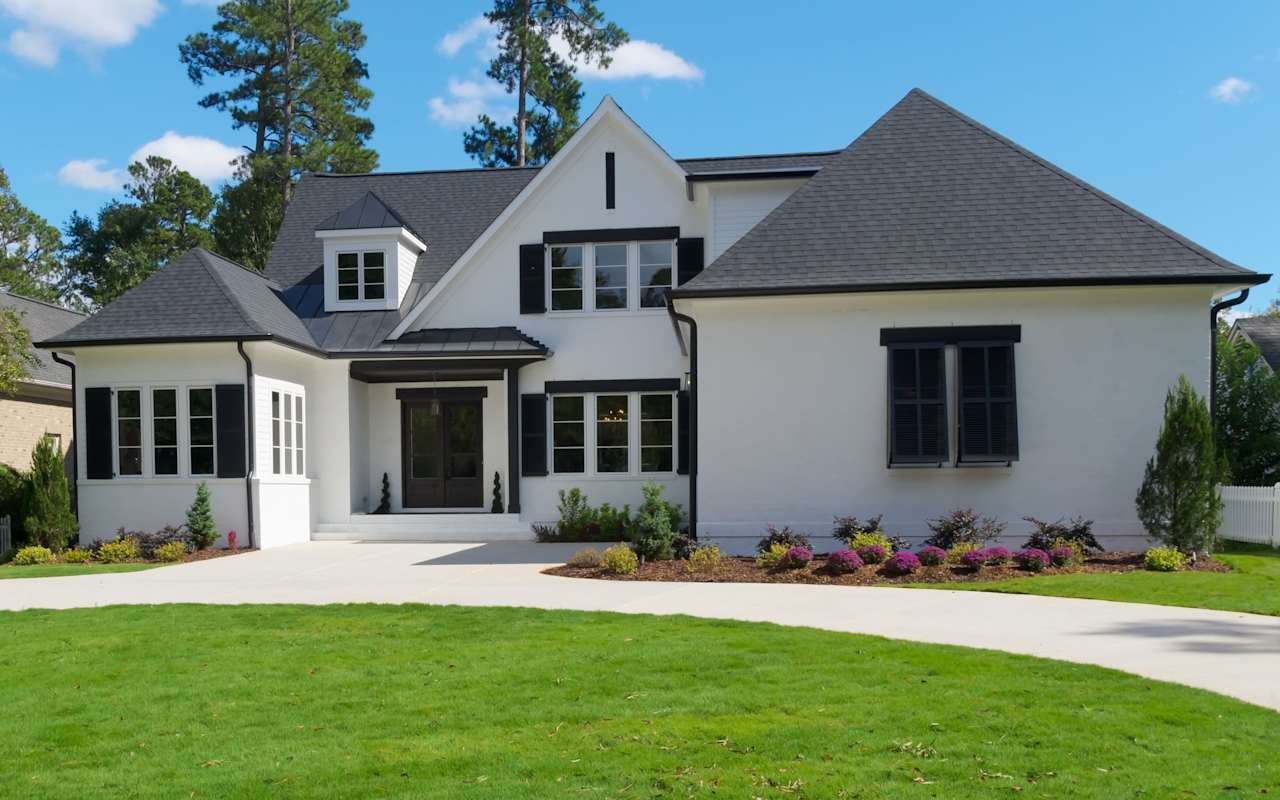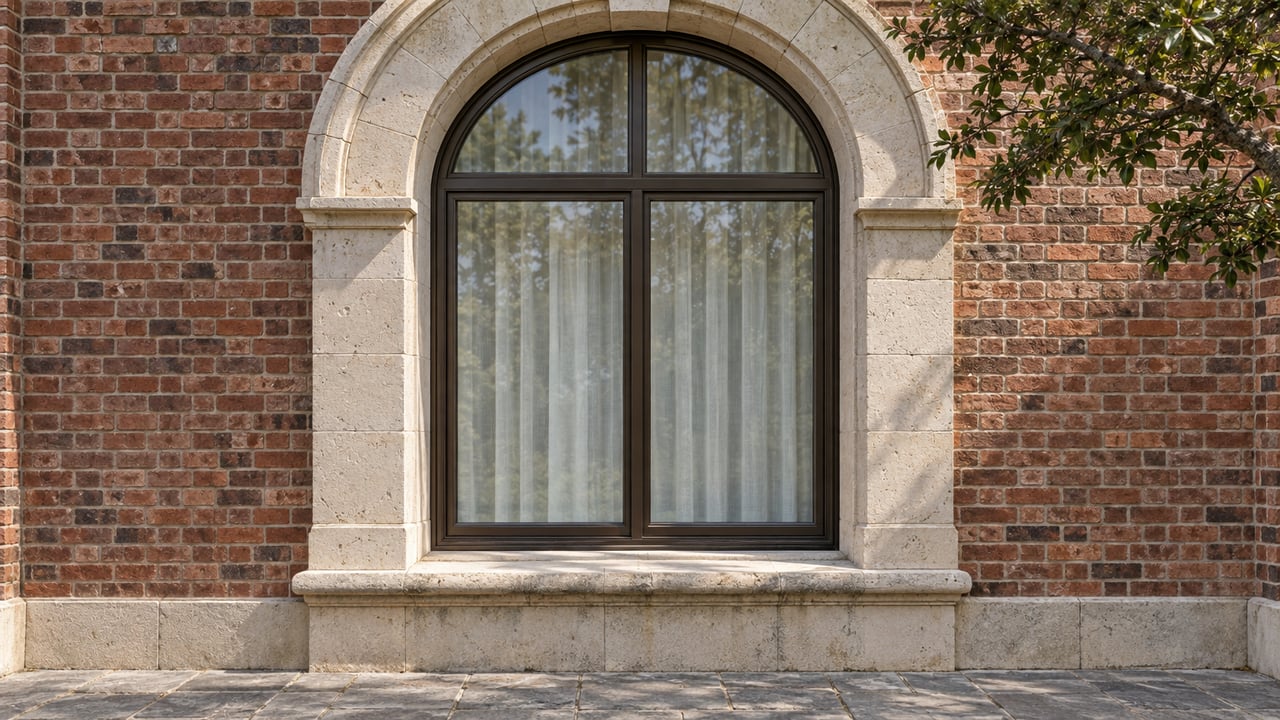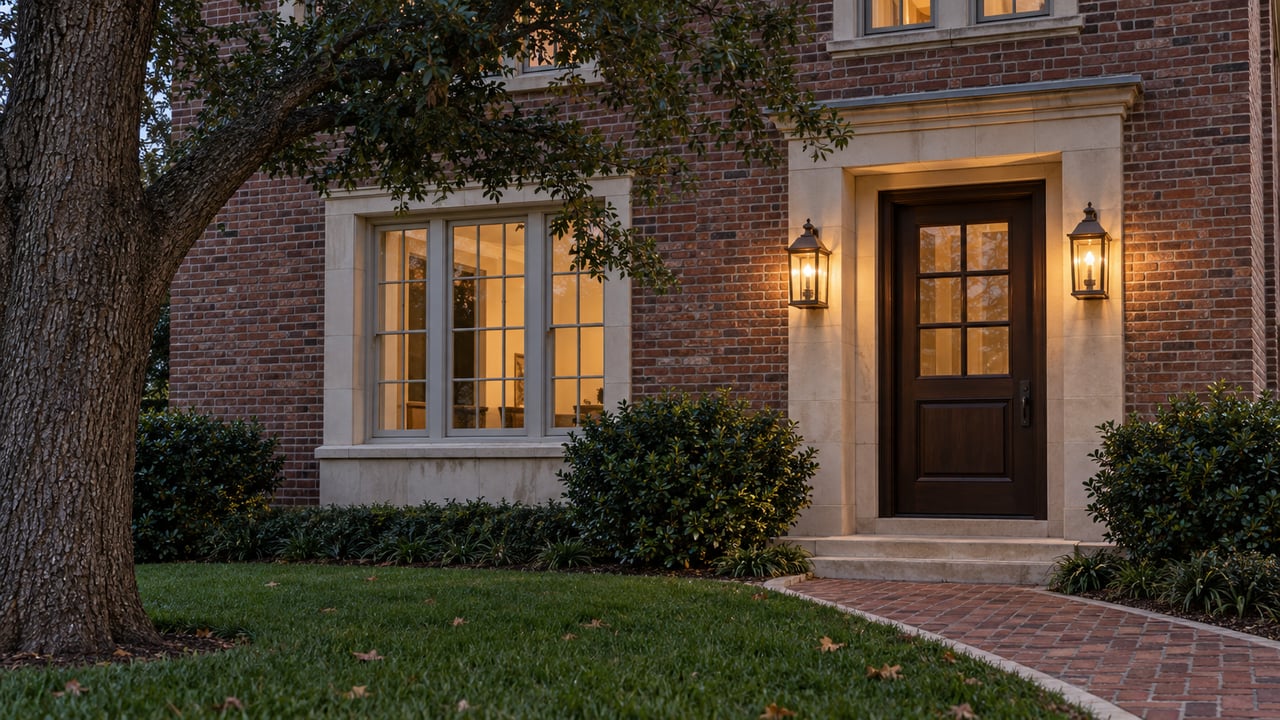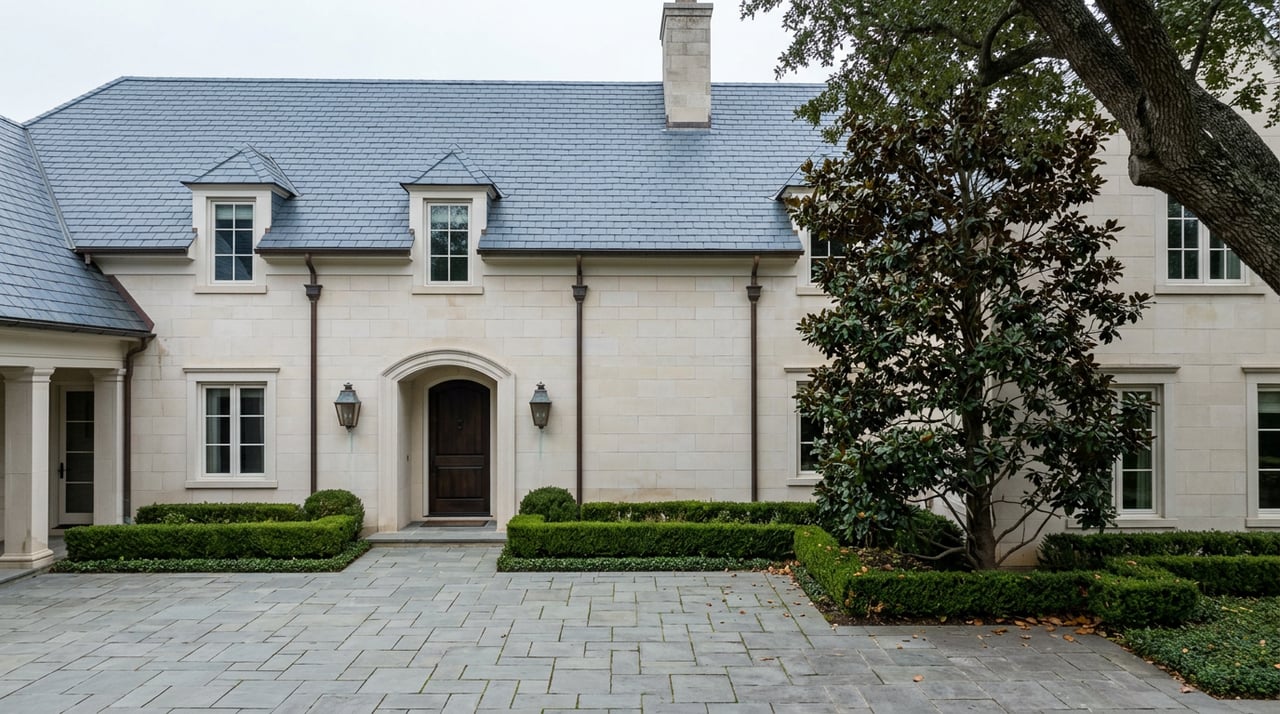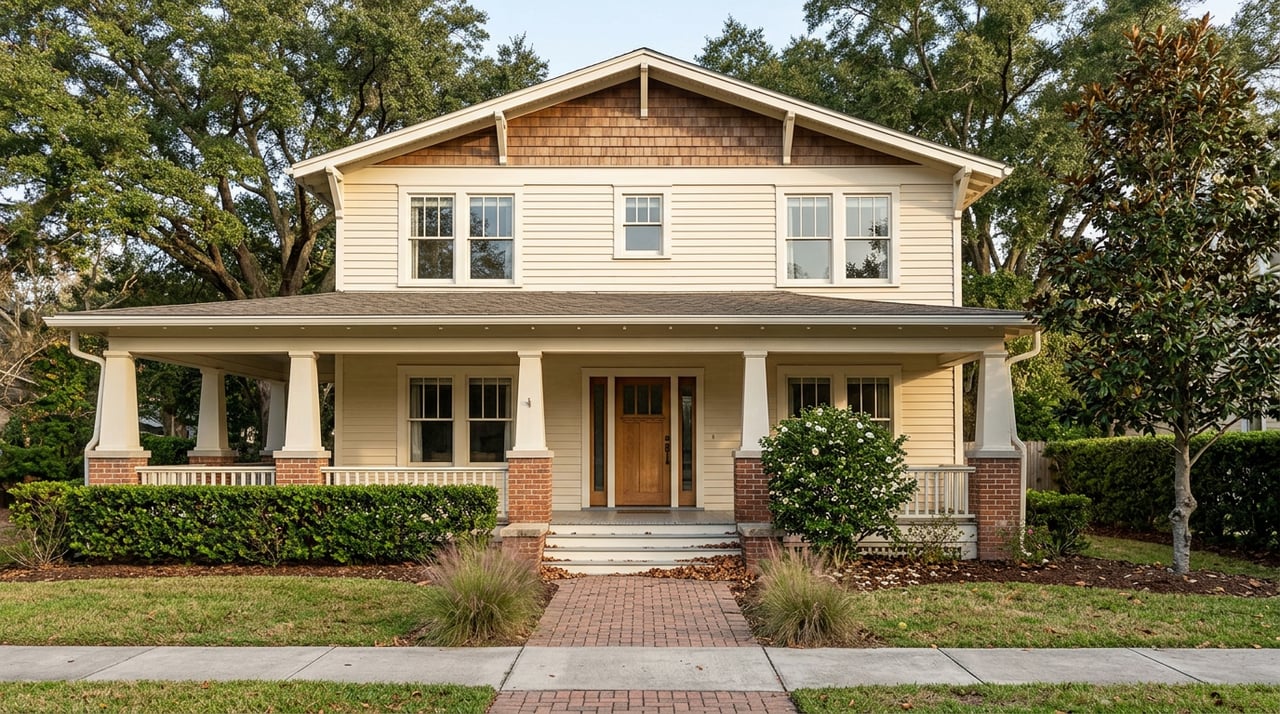
A 1925 Craftsman bungalow at 1521 Columbia Street is sitting in the city's review queue this year, not for anything dramatic. The owner wants a new two-story detached garage behind a contributing home in the Houston Heights East Historic District. The filing includes the kind of detail only a historic-district case file contains: the original structure burned in November 1931, a side addition went up sometime before 1956, and the new garage has to satisfy criteria on setback distance, height, and exterior compatibility with the block before the Houston Archaeological and Historical Commission will sign off.
Cases like this move through Houston Heights every month, and the outcome most people assume they're planning around, a formal denial, is almost never what actually happens.
The 3% Everyone Quotes
Ask around about renovating in a Heights historic district and someone will eventually tell you the odds are good, because the city rarely says no. That's technically true. In the commission's own year-end report on 2025 activity, presented at its January 2026 meeting, staff had reviewed 355 Certificate of Appropriateness applications that year. Only 3 percent were denied outright.
Here's the fuller picture from that same report:
| 2025 COA Outcome | Share of Applications |
|---|---|
| Approved by the Commission | 39% |
| Administratively approved | 32% |
| Withdrawn | 12% |
| Certificate of Objection | 5% |
| Denied | 3% |
That 12 percent withdrawn line is the number worth sitting with. Of the applications the commission itself reviewed directly (176 of the 355), 88 percent were approved and only 3 percent denied. The applications that don't survive tend to disappear before they ever reach a vote.
What Happens Before Anyone Votes
The Historic Preservation Office encourages exactly this kind of early exit. Property owners are directed to talk with staff before finalizing design work, and that conversation is where a project either gets reshaped to fit the block's context or gets quietly pulled by the owner rather than risk a formal no.
The 1521 Columbia file shows what staff and the commission are actually checking: how far the new structure sits from the property line compared to similar features on contributing homes nearby, whether the exterior materials read as compatible with the district, and whether the height stays in line with what's typical on that block. None of this is subjective in the way people assume. It's criteria written into the city's ordinance, and it's why a garage plan for a Heights East bungalow gets measured against neighboring structures rather than against a generic citywide rule.
Applications are due 22 calendar days before the monthly commission meeting, by noon. Miss that window and you're waiting for the next month's agenda. For anyone timing a renovation around a spring or fall listing, that lead time has to be built into the schedule before the first drawing is finalized, not after.
Two Different Rulebooks, Not One
It helps to separate two systems that get talked about as if they're one thing. The Certificate of Appropriateness process is a City of Houston ordinance, enforced by the Houston Archaeological and Historical Commission, and it survived a direct legal challenge when the Texas Supreme Court upheld it in 2021, a ruling that protects the preservation guidelines covering roughly 7,500 structures across the city, including about 2,000 across the Heights East, South, and West historic districts.
Separately, Houston Heights carries its own deed restrictions under Chapter 208 of the Texas Property Code, a provision that applies specifically to the Heights because of how it was originally incorporated. Those restrictions are drafted and enforced by the Houston Heights Association, and amending them requires 75 percent approval from voting property owners. A project can clear the city's COA process and still run into a deed restriction, or the reverse.
The Houston Heights Association's Land Use Committee meets the first Monday of every month at the Heights Fire Station at 12th and Yale, and offers informal courtesy reviews before anything goes to the city. Owners who bring plans there early are, in effect, getting a second read before they're anywhere near the 22-day deadline.
Why Heights East and Heights West Don't Trade the Same
The same COA process, the same criteria, the same 22-day cycle applies whether a property sits in Heights East, Heights West, Heights South, Woodland Heights, or Norhill. Yet a January 2026 market snapshot put the median historic-home sale price in Houston Heights West near $952,500, compared with roughly $512,000 in Heights East, a gap wide enough to make someone assume one district's review process is friendlier than the other's.
It isn't. The spread comes from lot size and product mix, not from one commission being easier to satisfy than another, and it's worth remembering that a single month's closings in a district this size is a small sample that one or two large sales can skew. The lesson for anyone comparing Heights sub-neighborhoods isn't which district has looser rules. It's that the rules are constant and the housing stock isn't.
The Norhill Guidelines Are Being Rewritten This Year
Norhill is one of the four Heights-area historic districts without its own written design guidelines, which means reviews there have historically leaned on the standards written for Heights East, West, and South without a document specific to Norhill itself. That's changing. The city held a public hearing on proposed Norhill Design Guidelines earlier in 2026 and is working public feedback into a revision, with formal adoption expected later this year.
Anyone with a renovation planned in Norhill should confirm where that process stands before finalizing drawings. A project designed against the old informal standard could land in front of a commission working from a newly adopted guideline instead.
The Line Between Inside and Outside
Most interior renovations in a Heights historic district don't need a Certificate of Appropriateness at all. Kitchens, bathrooms, floors, all generally fair game without city sign-off. The exceptions are narrower and more specific than people expect: shiplap can't be removed from a home, though it can be covered over with sheetrock, and windows count as an exterior feature requiring HAHC approval even when the work is happening from inside the wall.
It's a small detail, but it's the kind of thing that trips up a renovation budget when a contractor discovers shiplap mid-demo and the plan has to change on the spot.
What This Means If You're Timing a Renovation Around a Listing
If you're planning to add on, build a garage, or change anything visible from the street before listing a Heights historic-district home, the 12 percent withdrawal rate is the number to plan around, not the 3 percent denial rate. Have the informal conversation with Historic Preservation Office staff, or bring plans to the Houston Heights Association's Land Use Committee, before your design is locked. That conversation is what keeps a project out of the withdrawn column.
Build the 22-day, noon-deadline submission cycle into your calendar before you set a listing date. And if your project does earn an approved COA, it comes with a real economic incentive: a 50 percent discount on building permit fees, plus potential eligibility for a city historic tax exemption, benefits that disappear if a COA is denied rather than simply not sought.
A Few Questions Worth Asking Directly
Does historic district designation automatically raise my property taxes? No. Designation alone does not trigger a tax increase.
Do I need a Certificate of Appropriateness to redo my kitchen? Generally no, unless the work touches exterior-visible elements or uncovers shiplap, which can't be removed but can be covered.
What happens if my design doesn't fit the guidelines? Rather than risk a formal denial, most owners revise the plan after talking with staff, or withdraw and resubmit. That's the path 12 percent of 2025 applications took.
Does Woodland Heights follow the same process as Heights East, West, and South? Yes, the Certificate of Appropriateness requirement is the same. What differs is how mature each district's written guidelines are, which is exactly what's being addressed in Norhill this year.
If you're weighing a renovation against a listing timeline in a Houston Heights historic district, or trying to figure out how a specific property's district status should shape your pricing or your offer, Gayle Kennedy can walk through the specifics with you. Request a complimentary home valuation and consultation to get a clear read on where your property stands before you finalize a single drawing.