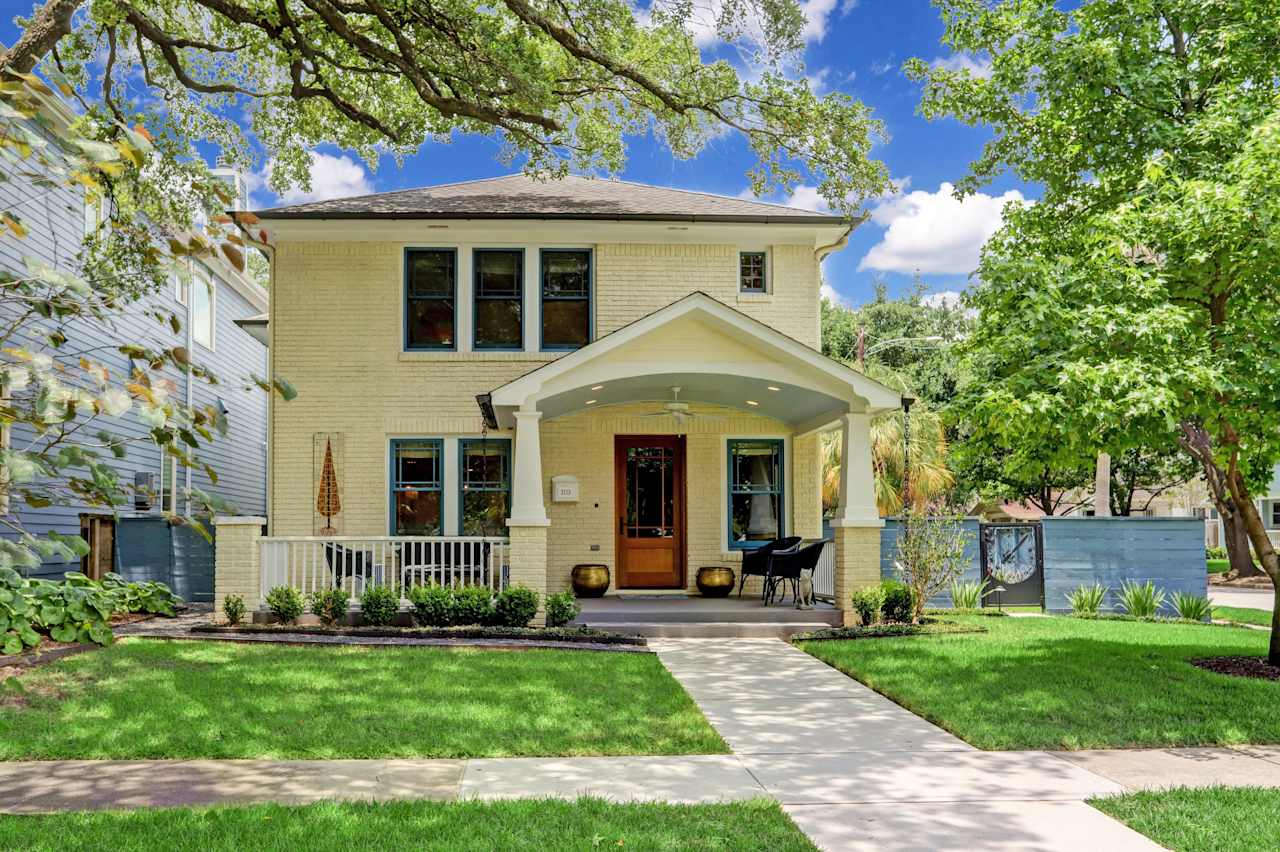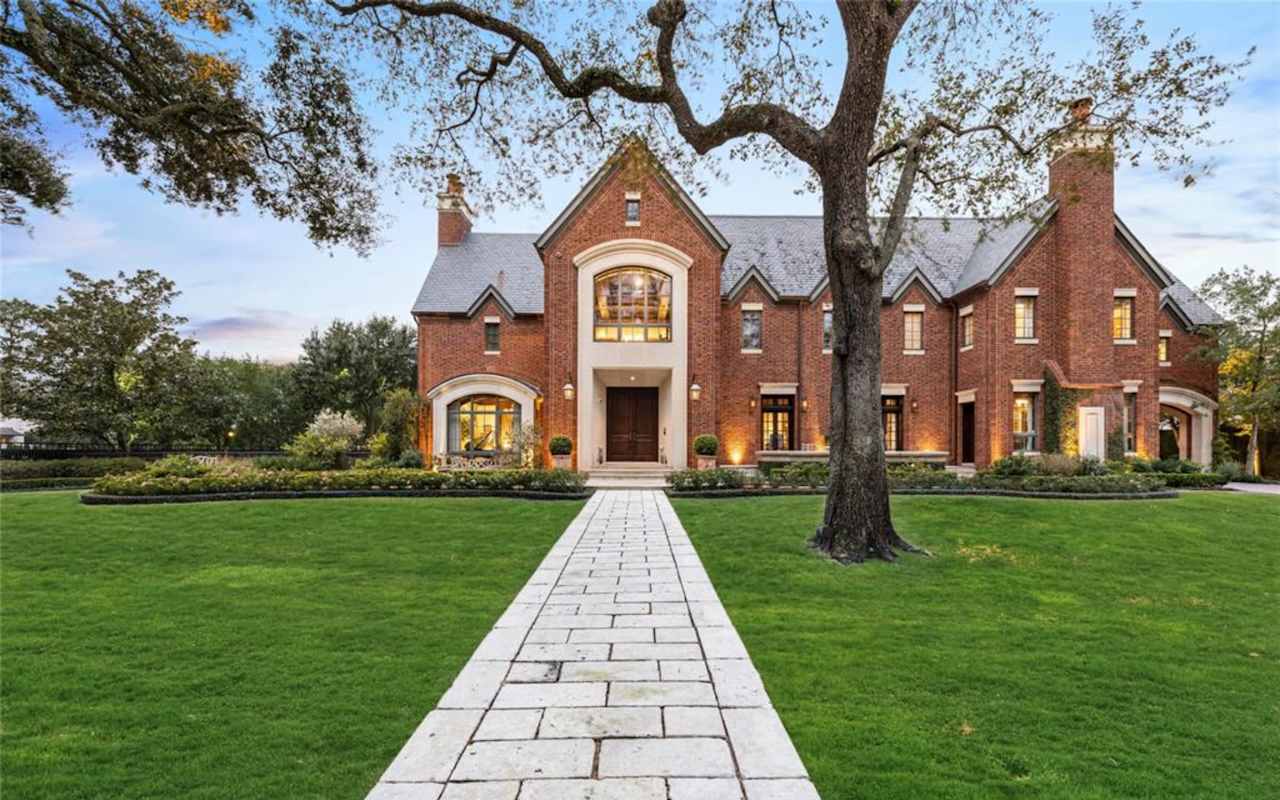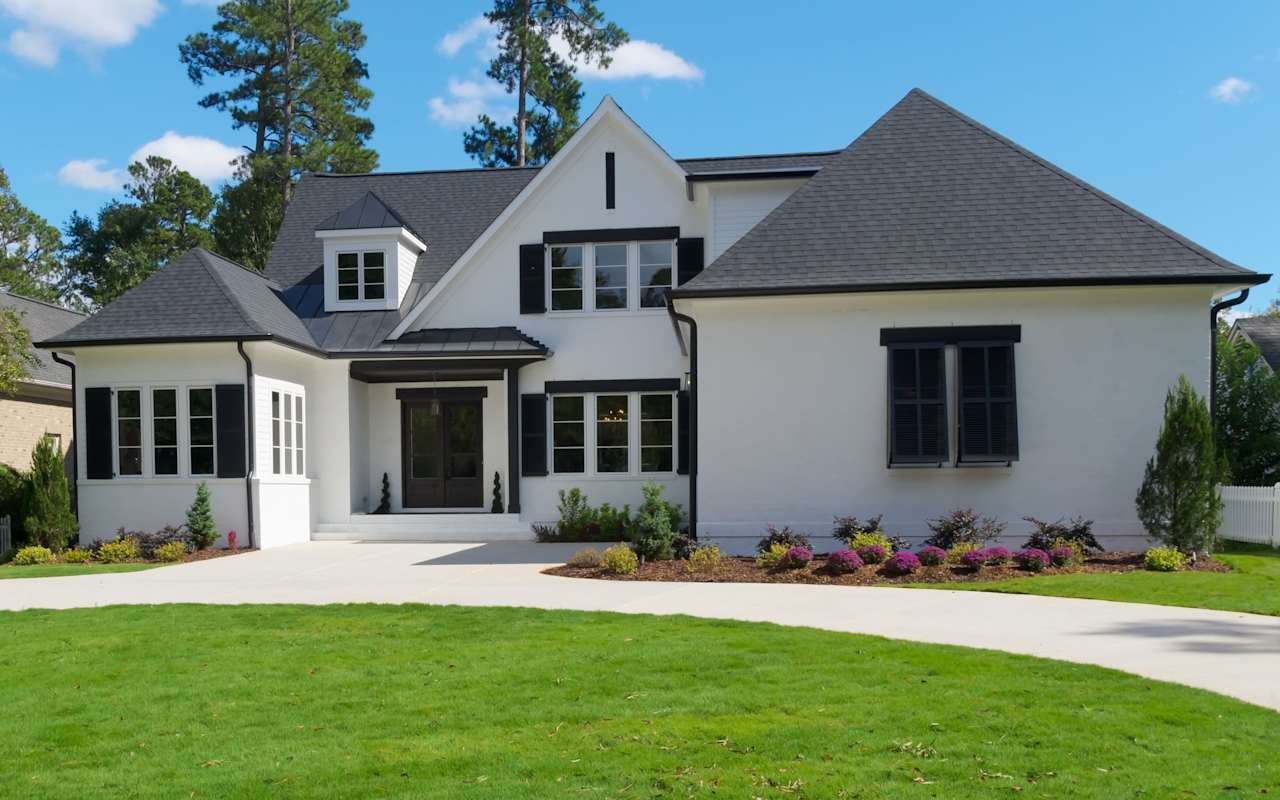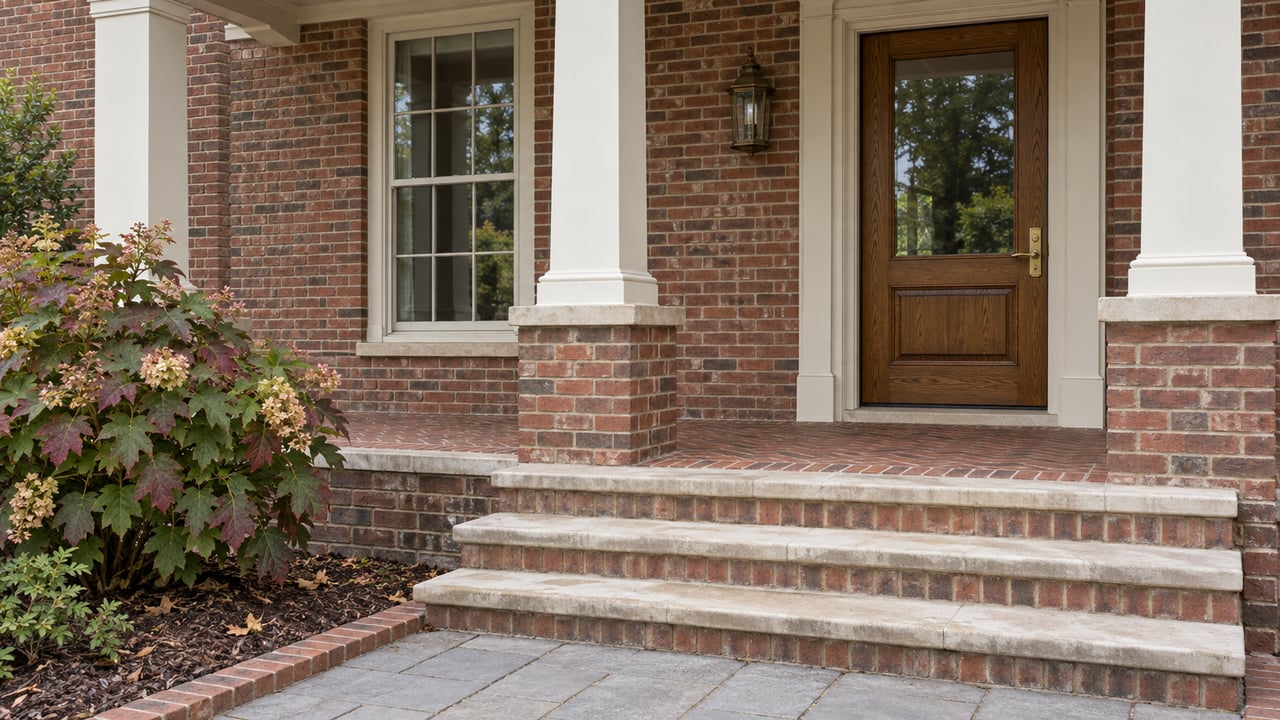
If you picture "luxury" as towering estates or flashy new construction, River Oaks in Tarrant County may surprise you. This small, built-out city has a different kind of appeal, one shaped by mature trees, quiet residential streets, and a strong base of postwar homes that have evolved over time. If you are buying, selling, or simply studying the area, understanding its architectural character can help you spot value, appreciate context, and make smarter decisions. Let’s dive in.
River Oaks Has a Distinct Housing Identity
River Oaks is not a high-rise district or a large-lot estate market. City and Census information point to a compact community of mostly detached homes, with about 99% of land developed and single-family housing making up the vast majority of developed acreage.
That matters because architecture here is tied closely to neighborhood scale. Instead of dramatic shifts in style from block to block, you are more likely to see a steady residential pattern shaped by postwar suburban development, mature landscaping, and homes that have been updated to meet modern tastes.
Postwar Homes Define River Oaks
The clearest architectural story in River Oaks starts in the late 1940s and 1950s. According to city housing-age data, 37.85% of homes were built from 1940 to 1949, and 30.55% were built from 1950 to 1959.
That timeline strongly supports a postwar suburban housing base. In practical terms, many homes in River Oaks trace their character to simple, functional designs that emphasized livability, efficient floor plans, and a comfortable connection to the lot.
Ranch Style Shapes the Streetscape
Ranch homes are one of the most recognizable postwar forms, and they fit River Oaks well. This style is typically known for one-story massing, low-pitched roofs, wide eaves, horizontal lines, and attached or integrated garages.
In River Oaks, that horizontal feel often works hand in hand with the local setting. On streets with established trees and varied lot sizes, Ranch-style homes tend to sit naturally in the landscape rather than dominate it.
Minimal Traditional Homes Still Matter
Minimal Traditional homes are another important part of the local mix. These homes were generally smaller and simpler than later suburban models, and they were especially common from roughly 1935 to 1950.
In River Oaks, this style helps explain why some homes feel modest in footprint but strong in curb appeal potential. A well-kept or thoughtfully updated Minimal Traditional home can still carry real visual charm, especially when landscaping, entry details, and exterior finishes are handled with care.
Luxury in River Oaks Looks Different
If you are using the word "luxury" in River Oaks, it helps to define it carefully. Here, prestige is less about trophy architecture and more about setting, privacy, condition, and presentation.
The city’s identity is closely tied to mature oaks, the Trinity River corridor, and a compact residential footprint. That means buyers often respond to homes that feel established, shaded, and well maintained rather than oversized or overly formal.
Updated Originals Often Stand Out
One of the most appealing features in River Oaks is the chance to find a home with original postwar bones and modern improvements. That combination can offer the best of both worlds: architectural simplicity on the outside and updated function on the inside.
For example, buyers may be drawn to homes with open living spaces, renovated kitchens, improved storage, refreshed baths, and stronger indoor-outdoor flow. When those upgrades respect the home’s original scale, the result often feels more authentic to the neighborhood.
Curb Appeal Carries Real Weight
Because River Oaks is mostly built out, first impressions matter. In a market like this, curb appeal is not a bonus. It is part of how buyers judge quality and long-term upkeep.
Well-maintained roofs, tidy exterior paint, updated windows, clean hardscape, and mature landscaping can all shape value perception. In a community where tree canopy and streetscape character are part of the appeal, the exterior experience starts working before a buyer even steps inside.
Streets, Lots, and Setting Influence Style
Architecture does not exist in a vacuum. In River Oaks, lot patterns, street layout, and the transition from arterial roads to quieter interior blocks all affect how homes are experienced.
The city’s comprehensive plan describes a neighborhood pattern where lower-intensity residential uses sit toward the interior, while commercial activity is concentrated along major corridors such as River Oaks Boulevard and Jacksboro Highway. That creates a clear distinction between busier edges and more residential pockets.
Interior Streets Feel More Residential
On quieter interior streets, the architectural experience is often softer and more cohesive. Mature trees, detached homes, and lower-intensity development help reinforce a classic suburban rhythm.
For buyers, that can mean a stronger sense of continuity from one property to the next. For sellers, it highlights why exterior maintenance and thoughtful updates should work with the surrounding streetscape rather than compete with it.
Lot Variation Adds Interest
The city also notes that lot sizes and housing sizes vary by neighborhood. That variation can create a more layered visual environment, with some blocks showing smaller original homes and others featuring expanded or redeveloped properties.
This mix is important because it opens the door for selective infill and renovation. A home does not have to be the largest on the block to feel special. In River Oaks, quality execution often matters more than sheer scale.
Architectural Features Buyers Notice
When you walk through River Oaks homes, a few design features tend to carry lasting appeal. They may not read as dramatic at first glance, but they often shape how comfortable, useful, and attractive a home feels.
Low, Horizontal Profiles
Many postwar homes in River Oaks have a grounded, horizontal shape. This gives the streetscape a calmer visual effect and can make homes feel more approachable.
That profile also pairs well with mature landscaping. Trees, lawns, and layered planting beds often soften the architecture and strengthen the sense of place.
Simple Rooflines and Deep Eaves
Low-pitched roofs and extended eaves are common in Ranch-style architecture. These elements help define the silhouette of the home and contribute to the clean, practical look associated with postwar design.
When maintained well, these simple roof forms support the honest, straightforward character many buyers appreciate in older neighborhoods.
Functional Garage Integration
Attached or integrated garages are another classic postwar feature. In River Oaks, they often reinforce the suburban roots of the area and help explain the original planning logic behind many homes.
Today, garage presentation still matters. Clean doors, well-kept driveways, and balanced front elevations can make a big difference in how polished a property feels.
Strong Indoor-Outdoor Connection
Many one-story layouts naturally lend themselves to easy yard access and practical outdoor living. In a city known for mature trees and natural surroundings, that connection can be a meaningful selling point.
Patios, shaded backyards, and usable outdoor areas often enhance everyday livability. Even modest lots can feel inviting when they are thoughtfully planned and maintained.
How Sellers Can Highlight Architectural Value
If you are preparing to sell in River Oaks, your home’s architectural style should inform your marketing strategy. Buyers respond best when a property’s design story feels clear, consistent, and believable.
That does not mean overselling a modest home as something it is not. It means identifying the features that make it attractive in this specific market and presenting them well.
Focus on Character and Upkeep
Start with the basics:
- Highlight original architectural features that still add appeal
- Emphasize updates that improve function without fighting the home’s scale
- Prioritize exterior maintenance and landscape cleanup
- Use listing photography that captures the lot, tree canopy, and front elevation clearly
In River Oaks, buyers often notice how a home sits on the site just as much as they notice square footage.
Connect Updates to the Neighborhood
Renovations tend to land best when they feel appropriate for the setting. A refreshed postwar home can be very compelling when improvements support comfort, efficiency, and visual cohesion.
That is especially true in a city where redevelopment goals include quality improvements and stronger aesthetics. Buyers are often looking for homes that feel cared for, current, and grounded in the neighborhood around them.
What Buyers Should Look For
If you are shopping in River Oaks, it helps to look beyond labels and focus on fit. The most appealing homes may not advertise themselves as luxury properties in the traditional sense, but they can still offer strong lifestyle value.
Pay attention to these factors when comparing homes:
- How well the home fits the lot
- The condition of major exterior elements
- Whether updates feel cohesive or pieced together
- How the property relates to the street and surrounding homes
- The role of mature trees, shade, and outdoor usability
In a compact, mostly detached-home market, these details often tell you more than a buzzword ever could.
Why River Oaks Style Deserves Attention
River Oaks has a residential character that is easy to overlook if you only search for obvious luxury signals. Its architectural identity is quieter and more grounded, shaped by postwar housing, established lots, and a natural setting that gives the area continuity.
That is exactly why the area appeals to many buyers and owners. When a home combines original architectural character, solid upkeep, and well-chosen updates, it can stand out in a way that feels both timeless and local.
If you want expert guidance on how architectural character affects value, presentation, or your next move, Gayle G. Kennedy can help you evaluate the details that matter most.
FAQs
What architectural styles are most common in River Oaks, Tarrant County?
- Ranch and Minimal Traditional homes are the most defensible architectural styles in River Oaks because much of the housing stock was built in the late 1940s and 1950s.
What makes a River Oaks home feel luxurious?
- In River Oaks, luxury is more closely tied to setting, privacy, mature trees, upkeep, and thoughtful updates than to estate-scale architecture.
Are most homes in River Oaks detached single-family homes?
- Yes. City planning materials indicate that single-family residential use accounts for most developed acreage, while multifamily housing makes up only a very small share.
Why do so many River Oaks homes have a postwar look?
- A large share of the city’s homes were built between 1940 and 1959, which aligns with common postwar suburban forms such as Ranch and Minimal Traditional houses.
What should buyers notice about River Oaks streetscapes?
- Buyers should pay close attention to tree canopy, lot variation, exterior upkeep, and whether a home sits on a quieter interior street or closer to major arterial corridors.