Wondering whether a Heights bungalow, townhome, or new build is the right move for you? In Greater Heights, the answer often comes down to how you want to live day to day, not just what style you like best. If you are comparing charm, upkeep, lot size, parking, and price, this guide will help you sort through the real trade-offs so you can buy with more clarity. Let’s dive in.
Why Heights housing feels so varied
Greater Heights is one of Houston’s older planned communities, and its housing mix reflects that history. The area was founded in 1891, later annexed by Houston in 1918, and today includes three designated historic districts: West, East, and South.
Because Houston does not have citywide zoning, homes in the Heights are shaped by deed restrictions, historic-district rules, and older lot patterns. Some original lots were only 33 feet wide, while other streets and corner lots allowed for larger footprints. That is a big reason you can find historic bungalows, fee-simple townhomes, and newer infill homes on nearby blocks.
What the market says now
Pricing in Greater Heights can shift a lot depending on the block and the type of home. In May 2026, Realtor.com showed a median listing price of $629,950, a median sold price of $568,125, a sale-to-list ratio of 98%, and 654 homes for sale.
Historic districts can command much higher asking prices. Reported median listing prices were about $1.099 million in Houston Heights East, $939,500 in South, and $1.25 million in West. That spread is a reminder that in the Heights, product type and location work together.
Bungalows: character, yards, and long-term upside
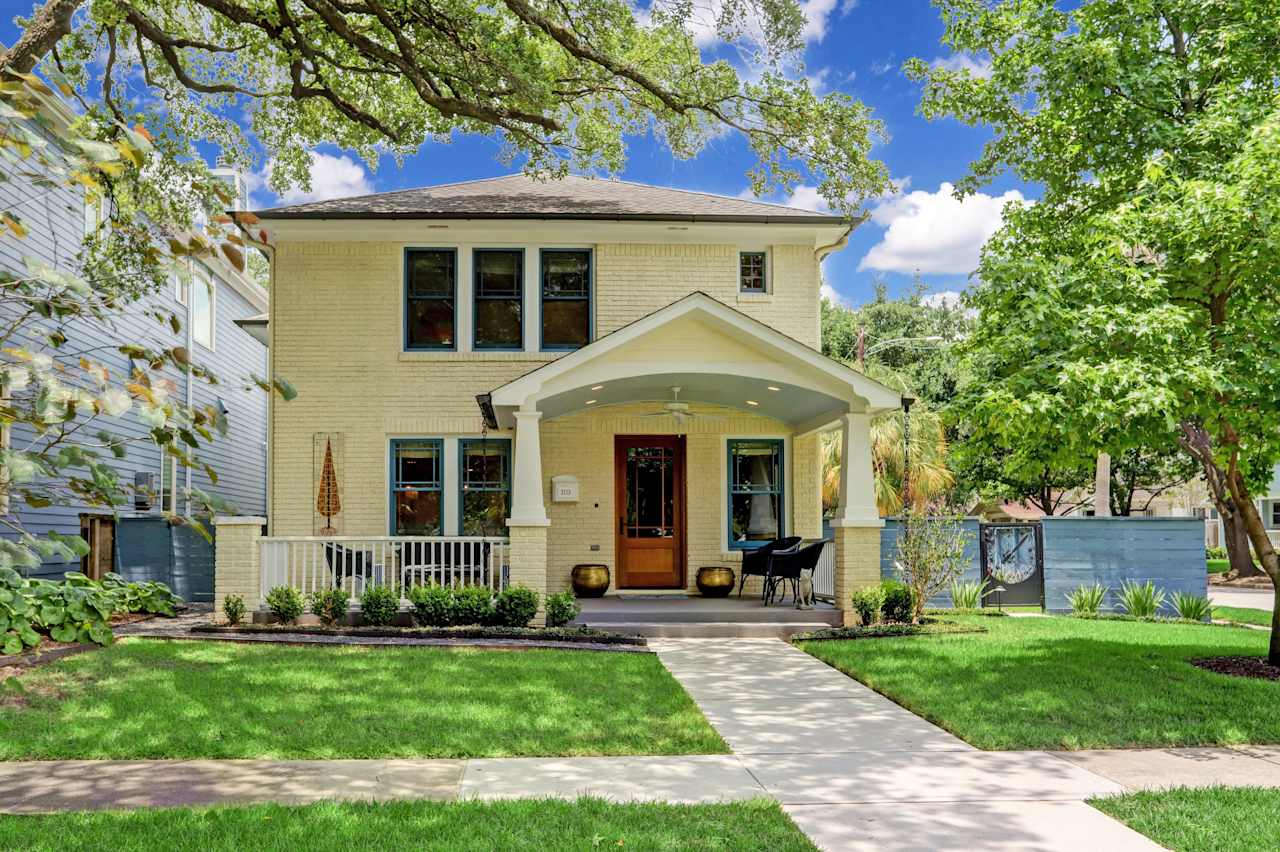
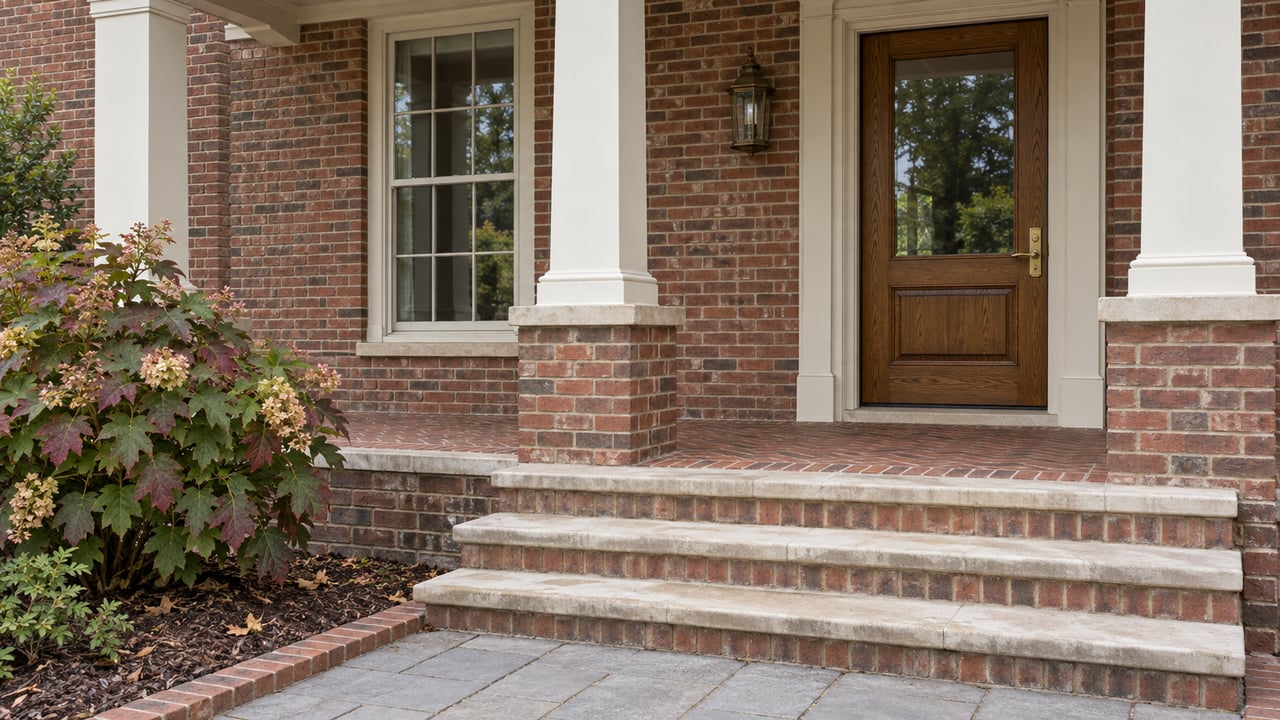
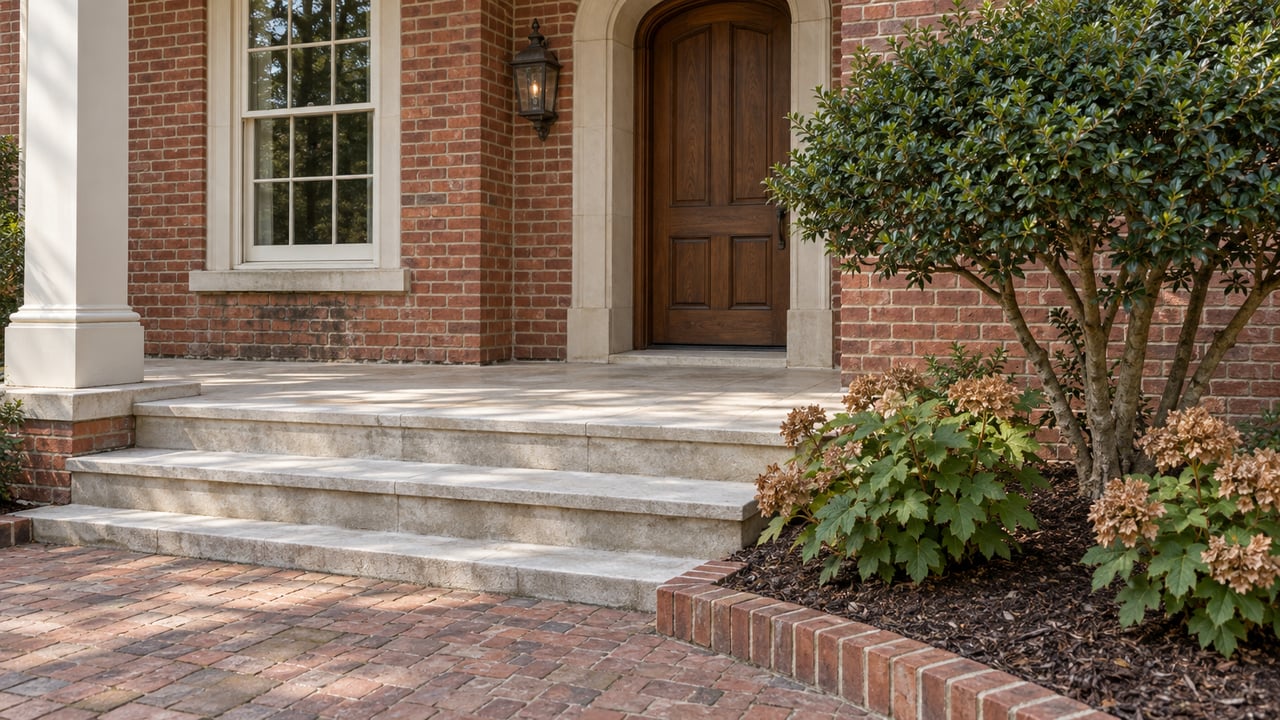
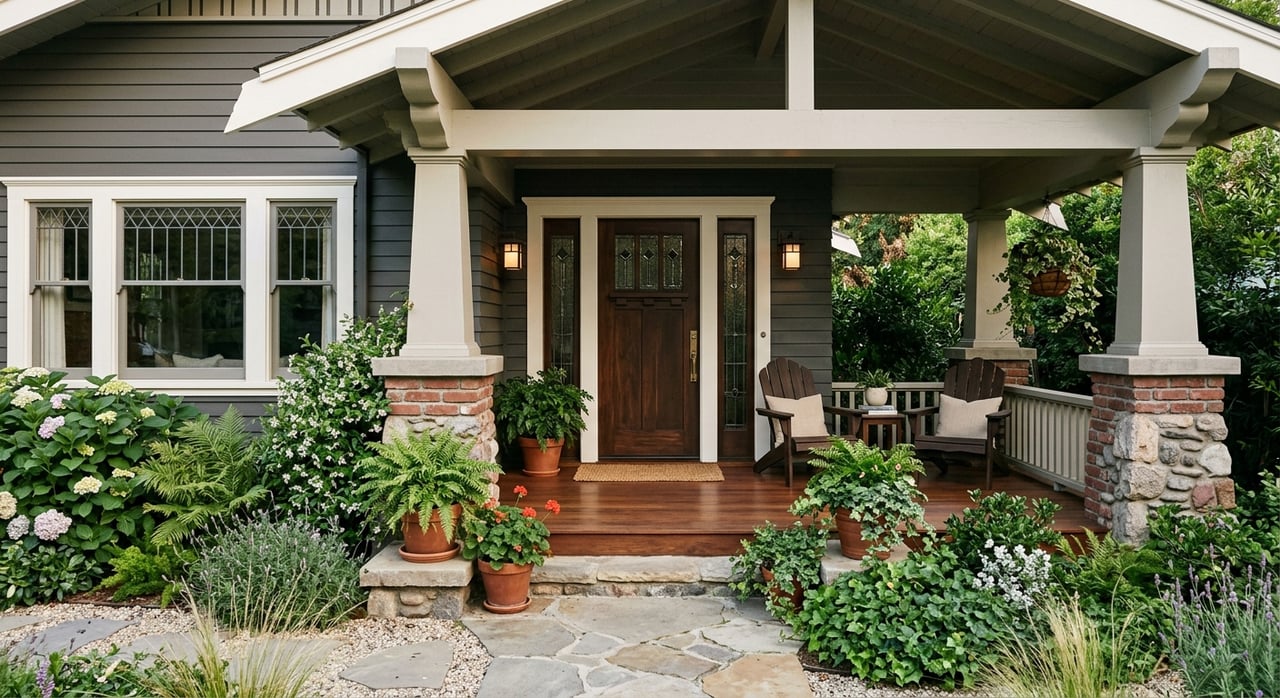
If you picture front porches, large windows, and original architectural details, you are likely picturing a Heights bungalow. The City of Houston describes many historic Heights homes as one- or two-story residences with pier-and-beam foundations, gables, textured siding, bay windows, and distinctive porch supports. Many also reflect classic Craftsman bungalow styling with low-pitched roofs and wide eaves.
For many buyers, the biggest draw is personality. A bungalow can offer a strong sense of place, more usable ground-level outdoor space, and the kind of architectural detail that is hard to replicate in newer construction.
What a bungalow often gives you
Current Heights bungalow examples range from roughly 1,200 to just under 3,000 square feet, with some renovated or expanded homes stretching past 2,500 square feet. You may also find:
- Fenced backyards
- Screened porches
- Detached garages
- Alley access
- Garage apartments
- Larger lots, including examples around 6,600 to 7,920 square feet
If outdoor room matters to you, a bungalow will often give you more flexibility than attached housing. That can make a difference if you want more yard, more storage, or simply more separation from neighboring structures.
What to watch with bungalow ownership
The main trade-off is condition and future upkeep. Older homes may need work on foundations, windows, siding, porches, or prior additions. Some active listings are marketed as fully renovated, while others are closer to redevelopment or major-project territory.
If the property sits inside one of the City of Houston historic districts, exterior changes visible from the public right-of-way typically require a Certificate of Appropriateness. The city’s review process is designed to keep changes compatible with the original structure and surrounding context. That does not mean you cannot improve the home, but it does mean you should understand the approval path before you buy.
Who a bungalow fits best
A bungalow often works best if you value:
- Architectural charm
- More lot space
- Front porch living
- Long-term renovation potential
- A detached-house feel in an established block
If you are comfortable with a little more uncertainty in exchange for character and land, this may be your lane.
Townhomes: efficient, practical, and lower-maintenance
If your priority is convenience, a fee-simple townhome may be the most practical choice in the Heights. Under Texas law, a townhouse is a single-family dwelling in a group of three or more attached units that extends from foundation to roof and has a yard or public way on at least two sides. In general use, fee-simple ownership usually means you own the land and structure, not just an interior interest.
That ownership structure is one reason townhomes appeal to buyers who want a more house-like form of ownership without taking on the full maintenance profile of an older detached home.
What a Heights townhome often looks like
Heights townhomes are commonly vertical in layout. Current 77008 examples include:
- Three-story homes with 3 bedrooms
- Sizes around 1,800 to 2,000 square feet in the mid-$400,000s
- Larger units around 2,384 square feet at about $585,000
- Some homes with rooftop access
- Some with first-floor living
- Attached garages and flex or guest spaces
This format can be a strong match if you want inner-loop access and efficient use of space. Attached garages also tend to make parking easier than it is with some older homes.
The trade-offs with townhomes
You will usually give up yard size for easier upkeep. Some townhomes still have patios, small backyards, or roof terraces, but most will offer less ground-level outdoor space than a bungalow.
Parking rules still matter too. Houston requires off-street parking for new and redeveloped buildings, and the city also has a prohibited-yard-parking program in designated single-family areas. That means you should confirm what parking is truly functional and compliant, rather than assuming every paved area is fair game.
Who a townhome fits best
A townhome often makes sense if you want:
- Lower exterior maintenance
- Easier parking through an attached garage
- A more predictable upkeep profile
- Efficient living space in an inner-loop location
- Less yard work
If your schedule is busy and you want simplicity more than yard space, a townhome can be a smart compromise.
New builds: newer systems and turnkey living
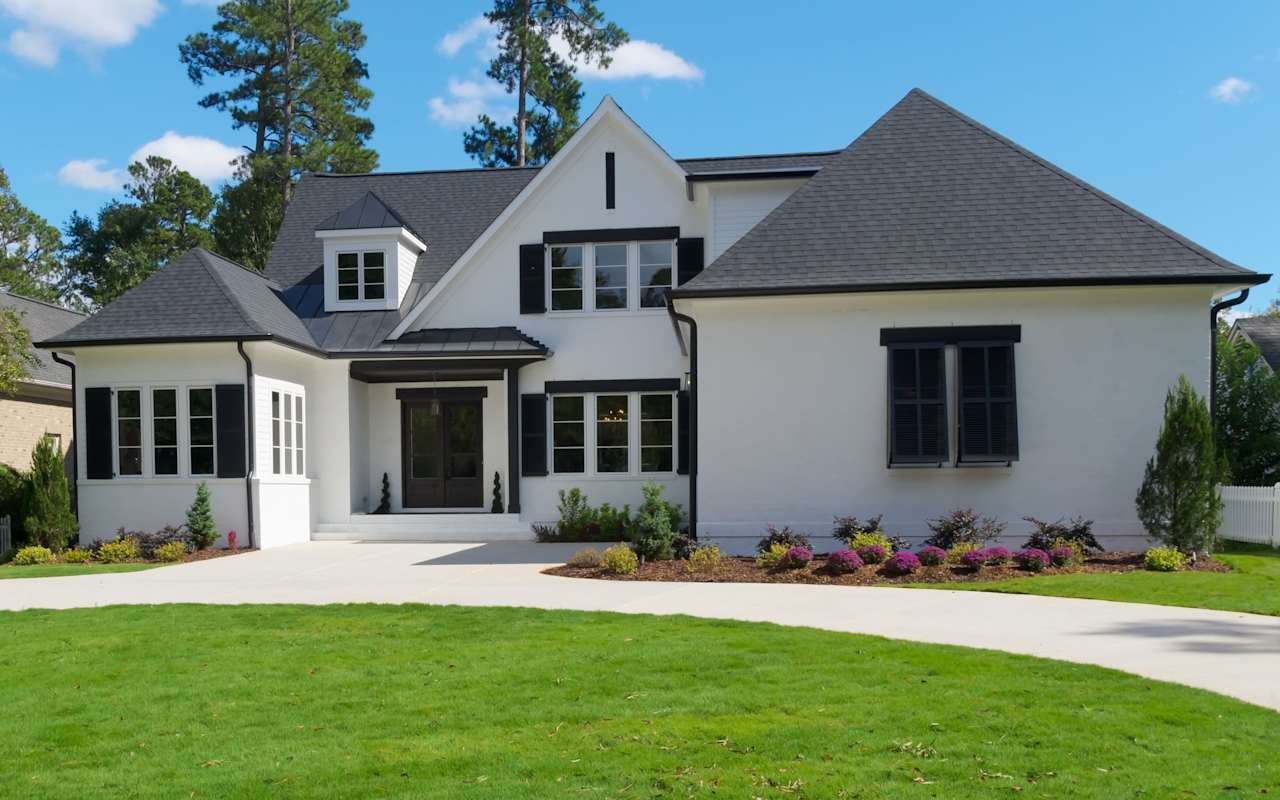
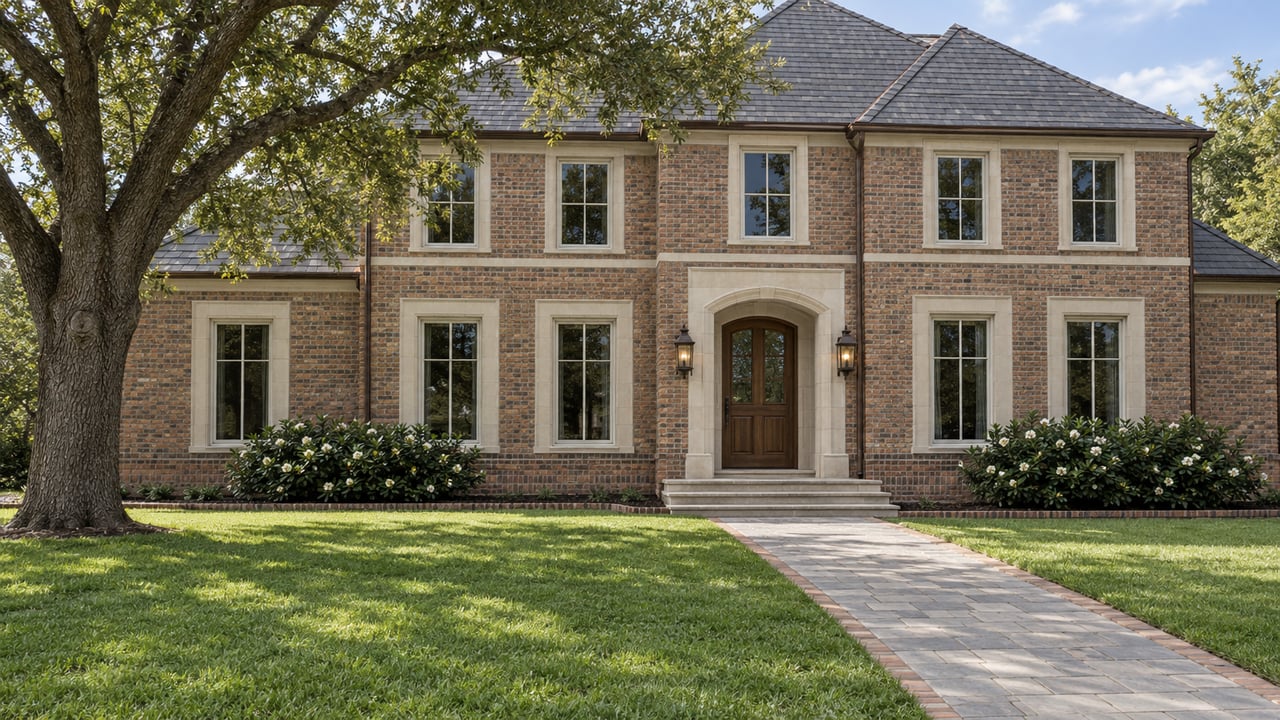
New construction in the Heights tends to appeal to buyers who want a more current floor plan and fewer near-term repair surprises. In this area, new homes are often single-family and may reflect contemporary, traditional, Craftsman, or farmhouse-inspired styling.
Many buyers are drawn to the cleaner maintenance picture. Newer systems, open living areas, and modern layouts can feel easier from day one, especially if you are moving from out of area or want a smoother start after closing.
What new construction can offer
Current 77008 examples range from about 2,050 to nearly 3,900 square feet, with 3 to 5 bedrooms. Many include:
- Two-car garages
- First-floor living or flex rooms
- Lot sizes around 2,500 to 5,460 square feet
- Some oversized lots
Pricing spans a wide range. Current examples include homes around $649,900, $689,900, $879,900, $1.599 million, and $1.789 million. In other words, new construction may overlap with renovated historic homes at one price point and surpass them at another.
What to watch with new builds
Not every new home is free from neighborhood rules. If a property is inside a Heights historic district, new construction and additions are still subject to Houston’s compatibility review and Certificate of Appropriateness process. The city’s guidelines call for new work to fit the surrounding context, and they address details such as setbacks and detached garage placement.
Outside the historic districts, lot-size and building-line tools can still affect what gets built. So if your decision depends on future expansion, layout, or a specific streetscape feel, that is worth checking early.
Who a new build fits best
A new build often works well if you want:
- Newer systems
- Open-concept living
- Less concern about hidden repair items
- Contemporary storage and layout efficiency
- A more turnkey move-in experience
If convenience and modern function top your list, new construction may be the cleanest fit.
A simple way to compare your options
In the Heights, a useful shorthand is this: bungalows buy character and lot, townhomes buy efficiency and convenience, and new construction buys turnkey finish and space efficiency.
Here is a quick side-by-side look:
| Home Type | Often Best For | Common Trade-Off |
|---|---|---|
| Bungalow | Character, yard space, long-term upside | More maintenance and renovation unknowns |
| Townhome | Lower upkeep, attached garage, efficient living | Less yard and more vertical living |
| New Build | New systems, open layout, turnkey feel | Higher pricing on some blocks |
That does not mean one type is universally better. It means the best choice depends on how you rank charm, maintenance, parking, outdoor space, and budget.
Questions to ask before you buy in the Heights
In Greater Heights, the details can change from one block to the next. Before you commit, focus on the questions that most often affect daily life and future flexibility.
Is the home in a historic district?
This matters for both older homes and new construction. If the property is in one of the Heights historic districts, exterior work visible from the public right-of-way may require city approval.
Are there deed restrictions or an HOA?
Houston’s no-zoning structure makes private restrictions especially important. Those rules can shape what you can change, how the property is used, and what the block feels like over time.
How realistic is the parking?
Do not assume every home will function the same way. Check garage access, driveway setup, alley access if relevant, and whether off-street parking truly fits your needs.
How much yard do you really want?
A larger lot can be a major plus, but it also comes with more upkeep. Be honest about whether you want outdoor room or simply like the idea of it.
The best Heights home is the one that fits your life
Buying in the Heights is rarely about finding one perfect category. It is about matching the block, ownership structure, maintenance burden, and price point to the way you actually live.
If you want porch charm and more land, a bungalow may be worth the added diligence. If you want easier upkeep and practical parking, a townhome may be the better fit. If you want newer systems and a more turnkey experience, a new build may justify the premium.
If you are weighing your options in Greater Heights and want experienced, neighborhood-focused guidance, Gayle G. Kennedy can help you compare properties, understand block-by-block differences, and move forward with confidence.
FAQs
What is the main difference between a bungalow and a townhome in Houston Heights?
- A bungalow usually offers more character and lot space, while a townhome usually offers lower maintenance, a more vertical layout, and easier parking through an attached garage.
What should buyers know about historic districts in Houston Heights?
- If a home is inside one of the City of Houston historic districts, exterior work visible from the public right-of-way typically requires a Certificate of Appropriateness and must remain compatible with the surrounding context.
What price range should buyers expect in Greater Heights?
- In May 2026, Greater Heights had a median listing price of $629,950, but pricing varied widely by block and home type, with historic district medians reported much higher in East, South, and West Houston Heights.
What makes new construction attractive in Houston Heights?
- New construction often appeals to buyers who want newer systems, open living areas, and fewer hidden repair concerns, though pricing can range from the mid-$600,000s to well over $1 million depending on size, lot, and finishes.
What does fee-simple townhome mean in Texas?
- In general use, a fee-simple townhome means you usually own the land and the structure, which gives it a more house-like ownership profile than a condo-style setup.
What should buyers evaluate block by block in Greater Heights?
- Focus on whether the property is in a historic district, whether deed restrictions or an HOA apply, how off-street parking works, and how much yard maintenance you actually want to take on.