If you are picturing sleek tower living in River Oaks, TX, you may be surprised by what the area actually offers. River Oaks in Tarrant County is a compact suburban city with an older housing stock, not a high-rise neighborhood, so your real choice is often between a detached home in River Oaks and a condo lifestyle closer to downtown Fort Worth. If you are weighing privacy, convenience, upkeep, and long-term fit, this guide will help you sort through the tradeoffs with confidence. Let’s dive in.
River Oaks Lifestyle Starts With Location
River Oaks is a small municipality in western Tarrant County, about 1.9 square miles in size. It sits within Loop 820 around Fort Worth and is surrounded by long-developed areas of Fort Worth and Sansom Park.
That setting shapes the housing experience. The city reports that most homes were built in the late 1940s, which gives River Oaks a more established suburban feel than a newly built urban district. For many buyers, that means the local lifestyle leans more naturally toward detached homes than tower living.
River Oaks also has a strong ownership profile. Census QuickFacts lists an owner-occupied housing rate of 77.2%, a median owner-occupied home value of $223,800, and a 2025 population of 7,467. Those numbers support the idea that River Oaks is primarily a traditional residential market.
For day-to-day life, commute and access matter too. QuickFacts shows a mean travel time to work of 28.3 minutes, and Castleberry ISD describes the district as being about five miles west of downtown Fort Worth. That makes River Oaks a practical option if you want a suburban home base with access to the city.
Detached Homes Fit River Oaks Best
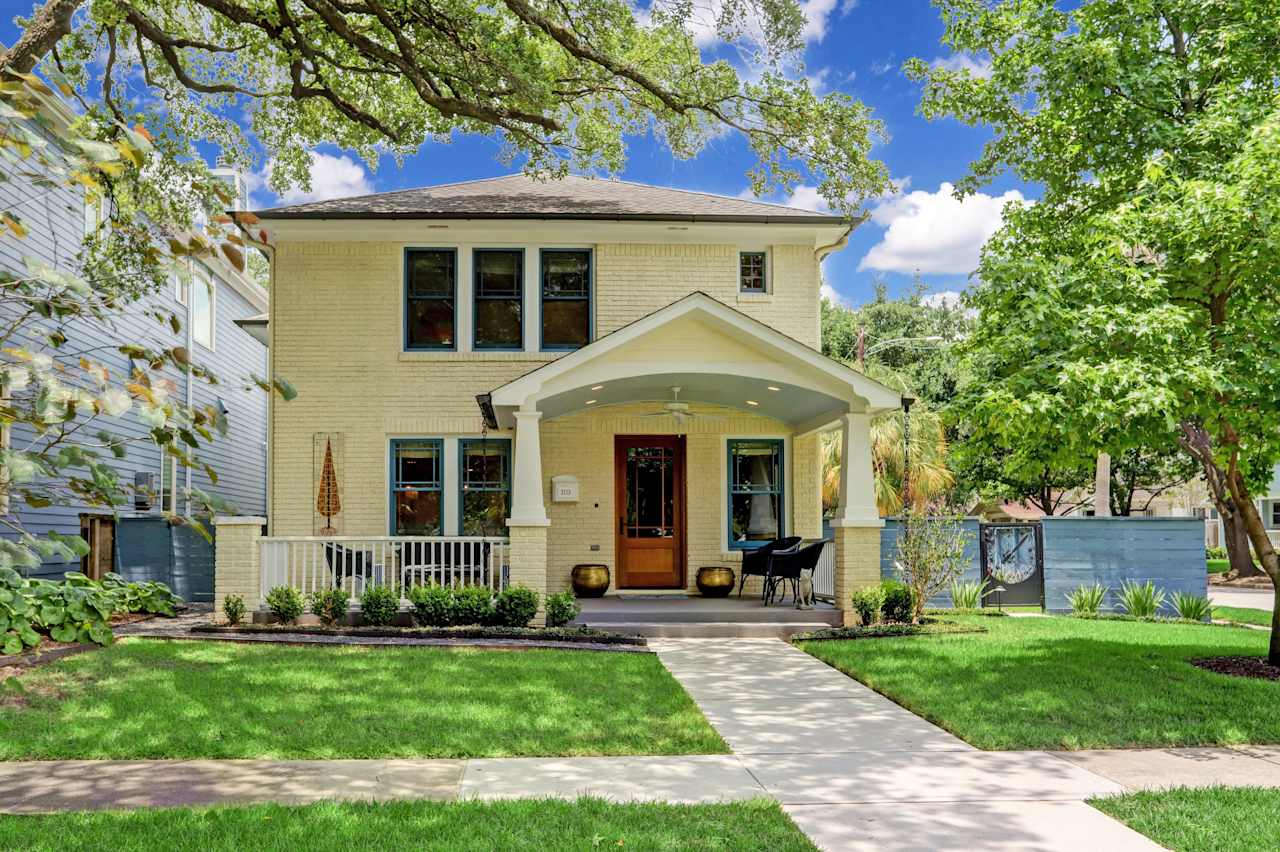
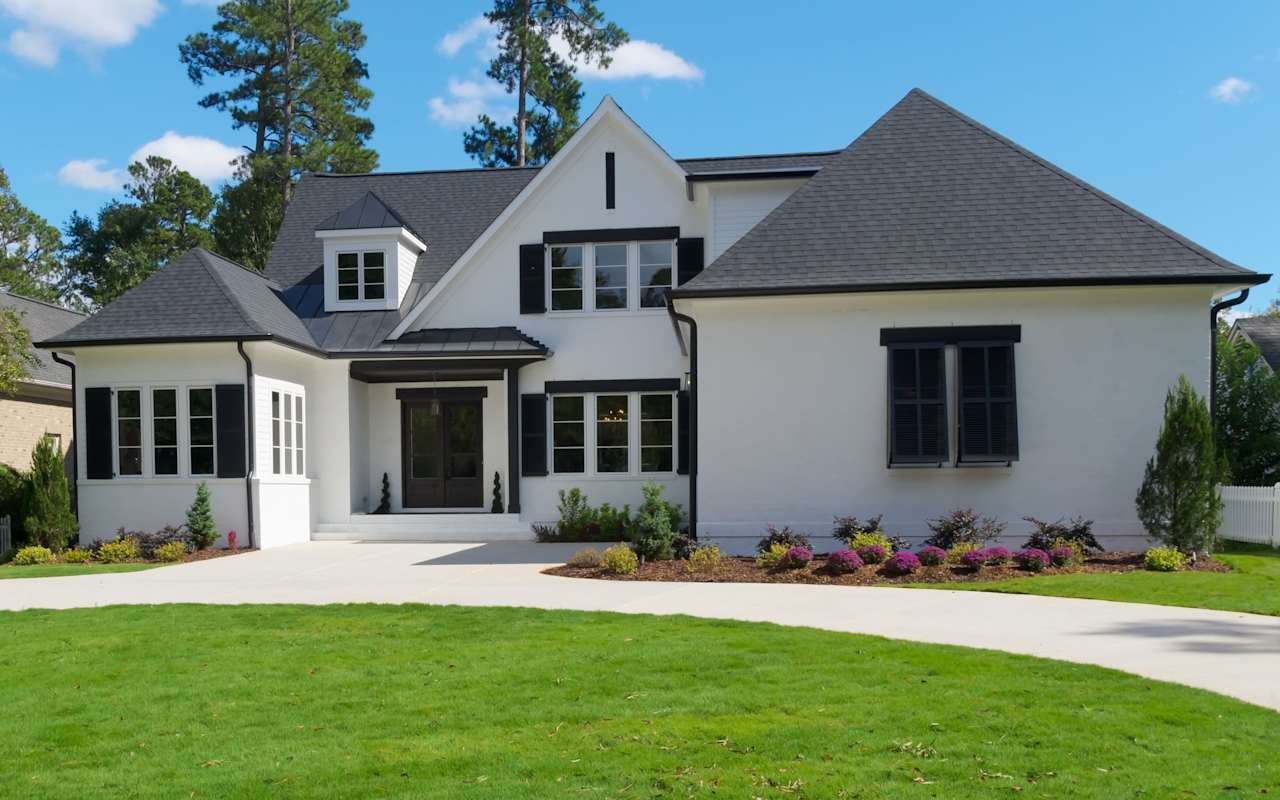
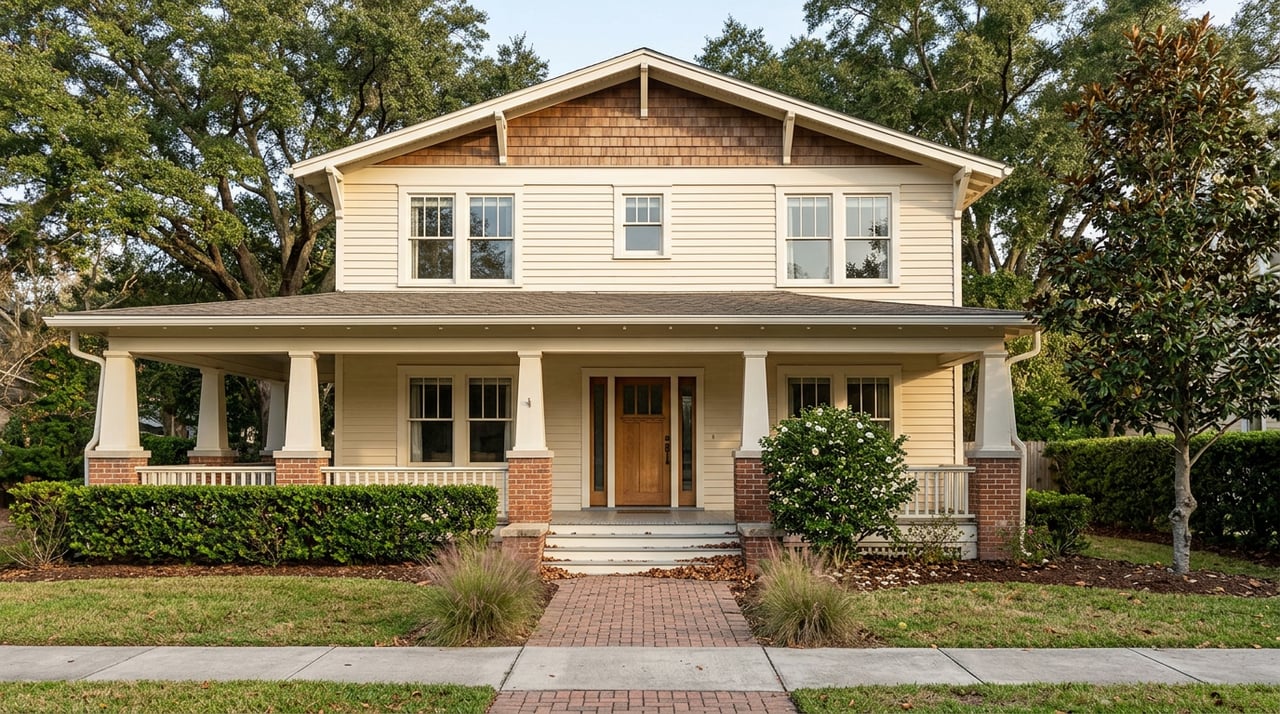
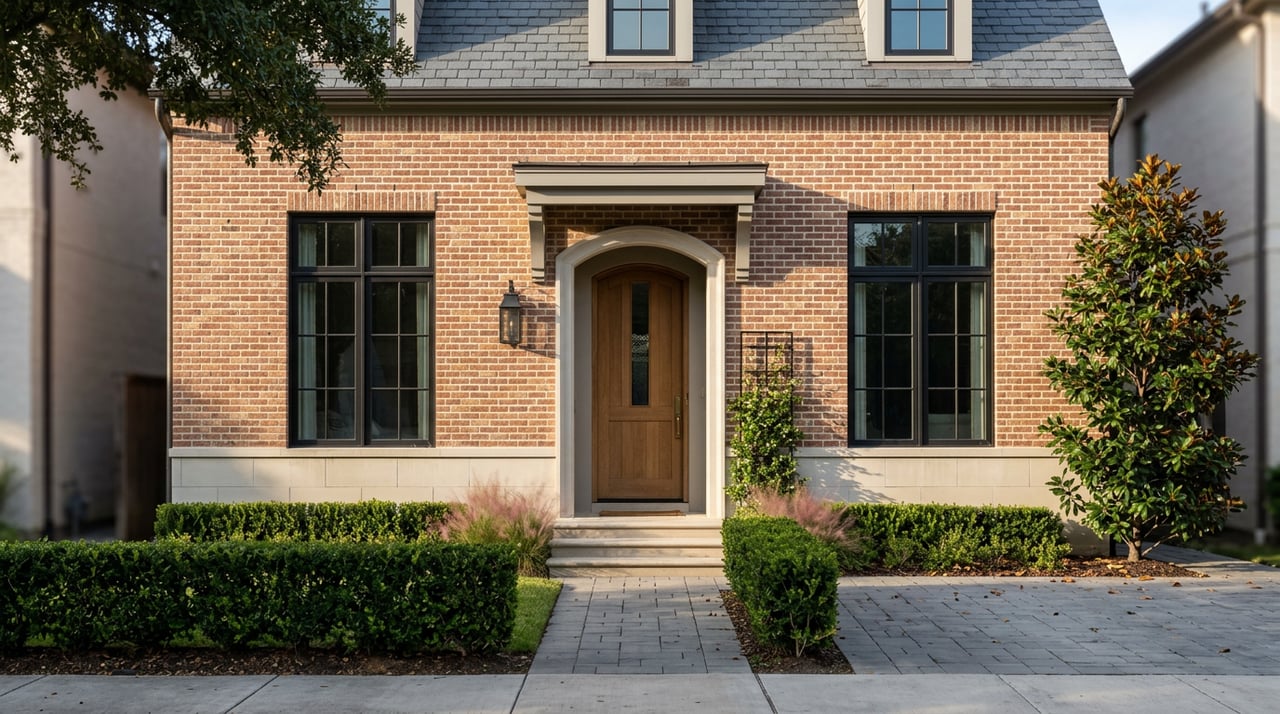
If your ideal home includes a yard, more privacy, and direct control over the property, a detached home is usually the clearest fit in River Oaks. This choice lines up with the city’s older suburban housing stock and its traditional residential pattern.
A detached home often gives you more flexibility in how you use the property. You may have more room for pets, storage, guest parking, and outdoor living. You also typically have more say over remodeling decisions and exterior changes because you are not sharing walls or common spaces in the same way you would in a condo.
That independence is a major lifestyle advantage for many buyers. If you want a classic residential feel and the ability to shape your space over time, a detached home often delivers that better than an urban condo can.
High-Rise Living Means Looking Downtown
In this market, high-rise living usually means shifting your search away from River Oaks proper and toward downtown Fort Worth or the urban core. Fort Worth describes downtown as a vibrant, walkable, mixed-use urban center, and the city is actively encouraging more high-rise residential development there.
The city’s development plan update says more than 1,000 housing units are under construction in the urban core. That matters if you are drawn to a condo lifestyle because it points to a growing supply of urban residential options.
Some downtown properties may also be inside PID 1. According to Fort Worth, that district funds enhanced maintenance, landscaping, safety services, transportation planning, and marketing through an annual special assessment. For some buyers, those added services are a benefit. For others, the extra assessment is an important budget item to review carefully.
The Biggest Difference Is Control
When buyers compare a detached home and a condo, the most important difference is often not style alone. It is who controls what and who handles ongoing property responsibilities.
Texas condominium law gives a condo association authority over common-element use, maintenance, repair, replacement, modification, appearance, and assessments. In plain terms, that means a condo owner owns the unit and a fractional share of the common elements, while the association manages shared areas and collects assessments for common expenses.
With a detached home, you usually handle those decisions and responsibilities more directly. That can feel empowering if you want freedom and control. It can also mean more time, more planning, and more out-of-pocket responsibility for upkeep.
Maintenance: Hands-On or Lock-and-Leave
Maintenance is one of the easiest ways to separate these two lifestyles. If you buy a detached home in River Oaks, you are generally taking on the care of the structure, yard, exterior, and systems yourself unless a separate HOA applies.
If you buy a condo or high-rise unit, much of the shared-property maintenance is managed through the association structure. That setup can appeal to buyers who want a lock-and-leave lifestyle or less direct involvement in exterior upkeep.
Neither option is automatically better. It comes down to how you want to spend your time, how much responsibility you want to carry, and whether you value independence more than convenience.
What Ownership Costs Can Look Like
For owner-occupied properties in Texas, tax planning can be similar for houses and condos when the home is your principal residence. The Texas Comptroller says a qualifying residence homestead can receive a $140,000 school-district exemption and a 10% annual cap on appraised-value increases.
Tarrant County directs homeowners to the appraisal district for homestead and other exemption applications. That means whether you choose a detached home or a condo, you should review the property’s owner-occupancy status and make sure you apply for any exemption you qualify for.
Where costs often diverge is not the homestead structure, but the governance structure. A detached home may bring more direct repair costs, while a condo may add regular association dues and, in some cases, special assessments. Understanding that split early can help you compare monthly and long-term affordability more accurately.
Condo Resales Need Extra Review
If you are considering a high-rise or condo near downtown Fort Worth, resale documents deserve close attention. Texas law requires delivery of the declaration, bylaws, association rules, and a resale certificate.
If a buyer has not received the resale certificate before signing, Texas law generally provides a five-day cancellation window after receipt. That makes document timing important during a condo transaction.
This also means you should look closely at association finances, rule enforcement, and assessment history. In a condo purchase, the building and the association are part of what you are buying into, not just the unit itself.
Detached Homes Can Still Have Community Rules
It is also important not to assume that every detached home is free from shared governance. If a detached home is in a subdivision HOA, Texas Property Code Chapter 207 gives owners rights to governing documents and a resale certificate.
So the real question is not simply house versus condo. The better question is how much of the property is governed communally and how comfortable you are with those rules, costs, and processes.
For some buyers, limited community oversight is perfectly fine if it protects consistency and helps manage shared features. For others, broader personal control remains the top priority.
Resale Outlook Depends on Buyer Demand
From a resale perspective, detached homes and high-rise units often perform differently because buyers shop for them with different goals in mind. Detached homes are generally easier to frame as classic suburban ownership, especially in a place like River Oaks where that housing type already matches the local character.
High-rise units can be more sensitive to building age, association health, special assessments, and competition from new inventory. Fort Worth’s push for more urban-core residential development suggests that downtown condo buyers may continue to see a growing range of choices.
That does not make one path right and the other wrong. It means your best move is to match the property type to your lifestyle now while keeping future marketability in view.
How To Choose Your Best Fit
If you are still deciding, start with your daily routine rather than the property brochure. The right choice is usually the one that supports how you actually live.
A detached home may be the better fit if you want:
- More privacy
- Yard space
- Easier pet routines
- More storage
- Greater control over parking
- More freedom to remodel or change exterior features
A high-rise or condo may be the better fit if you want:
- Lock-and-leave convenience
- Less direct exterior maintenance
- An amenity-rich setting
- A more walkable urban lifestyle
- Closer proximity to downtown Fort Worth living
In River Oaks specifically, buyers often find that detached homes are the most natural local match. If your heart is set on high-rise living, your search will likely shift toward downtown Fort Worth rather than River Oaks itself.
Choosing between suburban ownership and urban condo living is a personal decision, but it is easier when you ground it in the realities of the market. If you want help weighing property type, resale factors, and the right strategy for your next move, Gayle G. Kennedy can help you make a clear, confident decision.
FAQs
What is the main housing style in River Oaks, TX?
- River Oaks is primarily an older suburban residential market, and the city says most homes were built in the late 1940s.
Are there high-rise buildings in River Oaks, Tarrant County?
- River Oaks itself is not a tower district, so buyers looking for high-rise living usually need to focus on downtown Fort Worth or the urban core.
How is condo ownership different from detached home ownership in Texas?
- Under Texas condominium law, a condo owner owns the unit plus a fractional share of common elements, while the association can regulate shared spaces and collect assessments for common expenses.
Do River Oaks homeowners qualify for Texas homestead benefits?
- If the property is your principal residence and you qualify, Texas provides a residence homestead structure that includes a $140,000 school-district exemption and a 10% annual cap on appraised-value increases.
What should buyers review before purchasing a Fort Worth condo?
- Buyers should review the declaration, bylaws, association rules, resale certificate, association finances, and any history of assessments or rule enforcement.
Can a detached home in Tarrant County still have HOA rules?
- Yes, some detached homes are in HOA-governed communities, so you should review governing documents and resale materials to understand any shared rules or obligations.