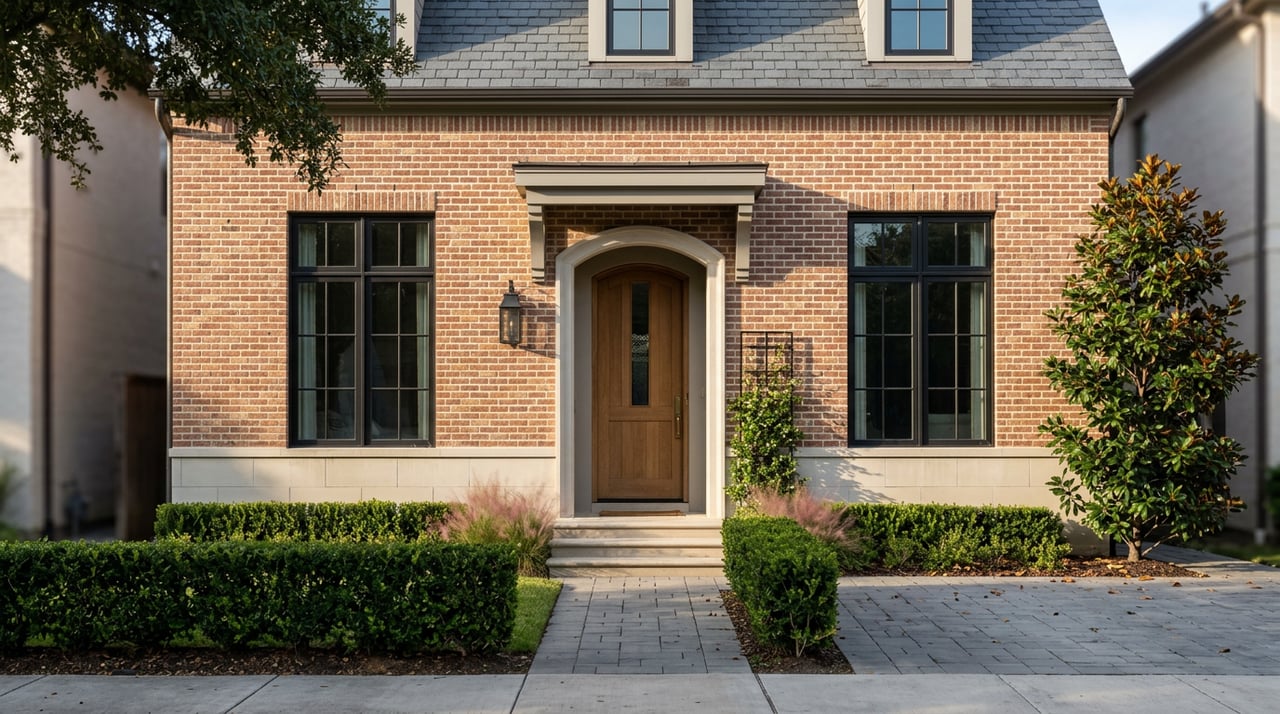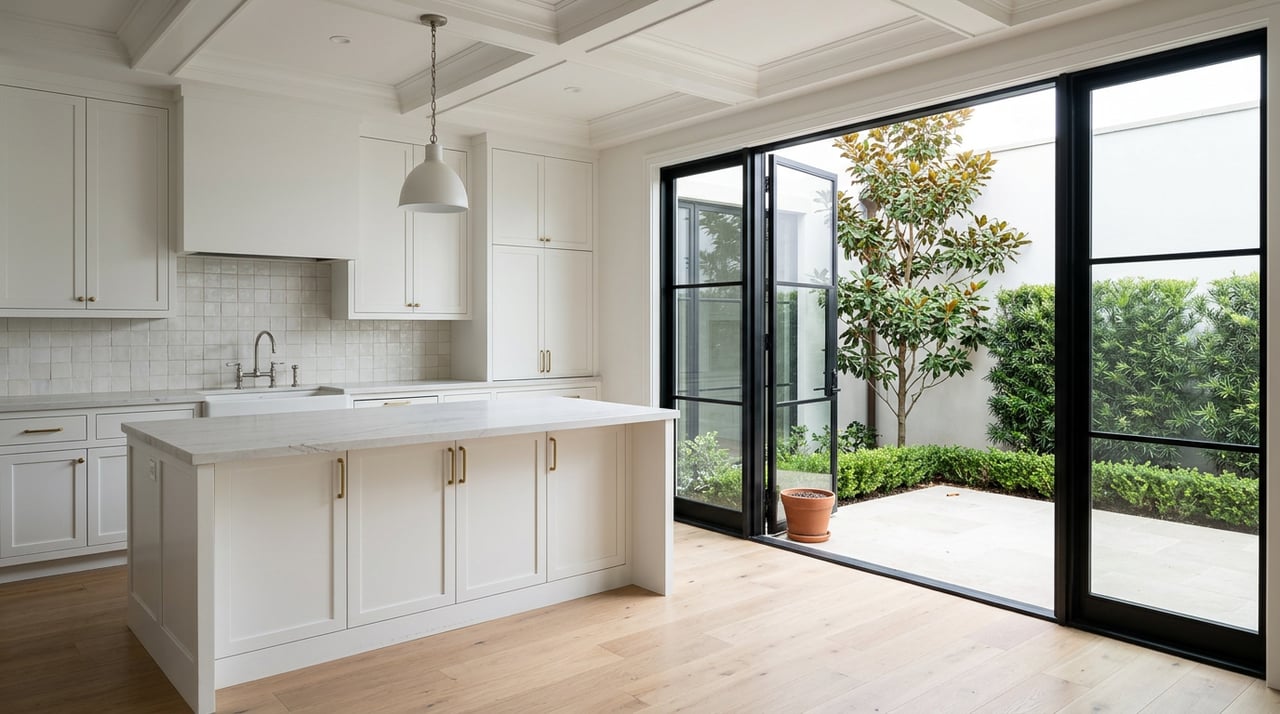
Thinking about a luxury home inside Houston’s Inner Loop? You are not alone. As rates have eased and inventory has risen, more high‑end options are hitting the market. In this guide, you will see what is driving today’s trends, how River Oaks, West University Place, and Southampton differ, and which numbers to watch when you write an offer. Let’s dive in.
What’s happening in Inner Loop luxury
Houston is shifting toward a more balanced market. The Houston Association of REALTORS® reported in February 2026 that inventory and days on market rose from a year earlier, while the overall single‑family median price was about $322K and average price near $415K. The $1M‑plus tier stood out as the strongest performer early in 2026. You can see the citywide context in the latest HAR update. HAR’s February 2026 report highlights these trends.
Rates and buyer power
Mortgage rates matter. Freddie Mac’s Primary Mortgage Market Survey for the week of March 5, 2026, showed the average 30‑year fixed rate around 6.0 percent. Lower rates than the recent peaks have improved purchasing power for qualified buyers, especially at higher price points. Check Freddie Mac’s rate commentary as you plan your financing.
Luxury segment outperforms
Locally, HAR tracks $1,000,000‑plus sales as the luxury tier. Early 2026 reports showed year‑over‑year gains in $1M‑plus transactions, even as other segments were mixed. Keep in mind that luxury is a small share of all sales, so a few large closings can move averages. See HAR’s $1M‑plus segment notes.
Neighborhood snapshots you can use
Monthly luxury stats are often based on small samples, so focus on 6 to 12‑month views when possible. Still, recent snapshots help you gauge direction and set expectations when a listing catches your eye.
River Oaks
Recent reporting shows a median sale price near $1.47M, a median price per square foot around $578, and a median days on market near 50. Sale‑to‑list ratios indicate well‑priced homes still find strong interest. High price‑per‑square‑foot reflects lot quality, finish level, and location on the block more than size alone.
West University Place
Recent reporting puts the median sale price near $1.68M, a median price per square foot around $515, and a median days on market near 65. Limited lot supply and a city‑within‑a‑city identity help support premiums. Expect meaningful differences block by block based on lot size and immediate street context.
Southampton
Recent listing data shows a median listing price near $2.42M, a median price per square foot around $570, and a longer average days on market due to a smaller, high‑end pool of listings. Longer days on market here can reflect seasonal timing or a sparse, premium inventory rather than weak demand. Always pair listing metrics with closed‑sale data.
The metrics that matter most
Price per square foot
Price per square foot is a fast way to compare homes of different sizes. In Inner Loop luxury, gaps in price per square foot often come from lot premiums, architectural quality, outdoor space, and landscape design. Use price per square foot alongside size, lot size, and recent comparable closes in the same micro‑area.
Days on market
Days on market shows absorption speed. Short days on market and multiple offers signal seller leverage. Lengthening days on market and price cuts point to more room for negotiation. In luxury micro‑markets, small monthly sample sizes can swing this number, so look at 6 to 12‑month medians when possible.
Months of supply
Months of supply tells you the balance between active listings and the sales pace. Houston’s citywide supply has moved toward balance in early 2026. Your offer strategy should track the neighborhood’s months of supply rather than the metro average. HAR’s monthly updates provide supply context.
Share of $1M‑plus activity
If $1M‑plus sales are rising while other tiers slow, luxury can carry overall average prices. This is why you should compare within your price band and micro‑area, not the entire city. HAR breaks out the $1M‑plus tier in its reporting.
Amenities and risks that move prices
Proximity to major parks
Large urban parks can support nearby home values over time. Research commonly finds price premiums for homes near high‑quality parkland, with effects varying by park size, design, and access. For Inner Loop buyers, Memorial Park’s improvements are a real value driver. Review the park’s long‑term plan and major funding updates through the Conservancy. See a review of park impacts on values and Memorial Park’s plan and funding news.
School options
Many buyers evaluate school options as part of their move. Attendance zones and private‑school proximity can be part of the value story for a specific property. Review current maps and options before you write an offer. HAR explains how school districts influence buyer decisions.
Flood risk and insurance
Flood risk is essential to verify in Houston. Check FEMA Flood Insurance Rate Maps, Harris County’s MAAPnext tools, and parcel history before finalizing terms. Ask your insurer and lender to model premiums and deductibles using Risk Rating 2.0. Use Harris County’s MAAPnext tool to understand risk.
Land use and teardown dynamics
Houston does not use a traditional citywide zoning ordinance. Instead, deed restrictions, subdivision rules, and municipal codes guide land use. This setup supports frequent teardown and infill activity inside the Loop, which influences lot values and new‑construction comps. Here is background on Houston’s land‑use context.
Turn data into a winning offer
Read the right timeframe
Prefer 6 to 12‑month rolling medians instead of one month snapshots. Luxury markets have small volumes, so a few sales can sway the median. Confirm whether you are looking at sold prices or list prices for a clear read.
Match price to terms
In near‑balanced conditions, price concessions or credits are more common. For a rare lot or a standout remodel, sellers may prioritize terms like timing, appraisal gap coverage, or financing certainty. Decide your ceiling only after your lender models a worst‑case scenario. Use Freddie Mac’s rate context as a reference point.
Manage appraisal and comps risk
Unique homes can challenge the appraisal. Talk with your lender early. If you expect a competitive setting, discuss appraisal gap strategies and request the seller’s comps. Keep protections in place unless your team agrees on the tradeoffs.
Strengthen financing signals
Cash and bridge options can remove financing delays and improve certainty. If you plan to finance, present strong pre‑approval, clear documentation, and locked terms when possible. Rate moves can shift your budget quickly, so refresh quotes as you negotiate.
Use non‑price incentives
Flexibility can win. Consider a tailored closing date, a short lease‑back, or select closing costs that matter to the seller. In luxury, convenience and privacy can be just as compelling as a slightly higher price.
Quick checklist before you write an offer
- Pull 6 to 12‑month sold comps for the same micro‑area and lot size.
- Compare price per square foot across a tight set of relevant comps.
- Review days on market trends and any recent price reductions.
- Check months of supply for the neighborhood and price tier.
- Verify flood zone, prior claims, and modeled insurance premiums.
- Confirm current school attendance zones and private options if relevant.
- Align terms with your lender’s latest approval and rate lock.
A smart luxury purchase starts with clear data and local context. If you want block‑by‑block guidance, confidential coaching on price and terms, and a well‑managed path to closing, connect with Gayle G. Kennedy for tailored representation.
FAQs
What counts as “luxury” in Inner Loop Houston pricing?
- In HAR reporting, the luxury tier is homes priced at $1,000,000 and above, which showed relative strength in early 2026.
How should I read days on market in places like River Oaks and Southampton?
- Treat days on market as a trend, not a single month, since small luxury samples can swing; use 6 to 12‑month medians to gauge true absorption.
How do mortgage rates affect a $1M‑plus purchase in 2026?
- Lower rates improve buying power and may widen your options; monitor weekly moves and have your lender update affordability as you negotiate.
How does flood risk factor into Inner Loop home values?
- Flood risk affects insurance costs, lending, and resale; verify FEMA maps, Harris County MAAPnext data, and parcel history before finalizing terms.
What should relocators know about Houston’s land use and teardowns?
- Without traditional citywide zoning, deed restrictions and subdivision rules shape what can be built, which supports active teardown and infill dynamics inside the Loop.