If you want a close-in Houston neighborhood with historic character and practical access to major destinations, Southampton deserves a serious look. Buying near Rice University can feel exciting and a little overwhelming, especially when you are balancing commute, architecture, lot size, and long-term fit. This guide will help you understand what makes Southampton unique, what types of homes you can expect, and what to verify before you buy. Let’s dive in.
Why Southampton Stands Out
Southampton Place is a residential subdivision established in 1923 with 626 original home sites. Today, it remains known for single-family homes, mature trees, and a distinct neighborhood layout shaped by shared alleys and deed restrictions.
That layout is a big part of Southampton’s appeal. According to the civic club, the alley system reduces curb cuts, creates more front-yard green space, and can improve guest parking. For buyers, that often translates into a streetscape that feels more open and visually consistent than many other close-in neighborhoods.
Location is another major draw. Official city and university sources place Southampton near Rice University, the Museum District, the Texas Medical Center, and downtown Houston, with one city report noting the neighborhood sits about five miles southwest of downtown.
What It’s Like Near Rice University
If proximity is high on your list, Southampton checks an important box. Rice University describes its 300-acre campus as being between downtown, the Museum District, and the Texas Medical Center, with Hermann Park, the Houston Zoo, and Rice Village nearby.
That means you are buying into a highly connected part of Houston. Instead of depending entirely on long freeway drives, you may find that many daily destinations are clustered within the same inner-loop area.
This is one reason the neighborhood often appeals to buyers who work in academic or medical settings. When your routine includes Rice University, the Texas Medical Center, museums, or central Houston destinations, Southampton offers a location that supports shorter, more direct trips.
Southampton Home Styles to Expect
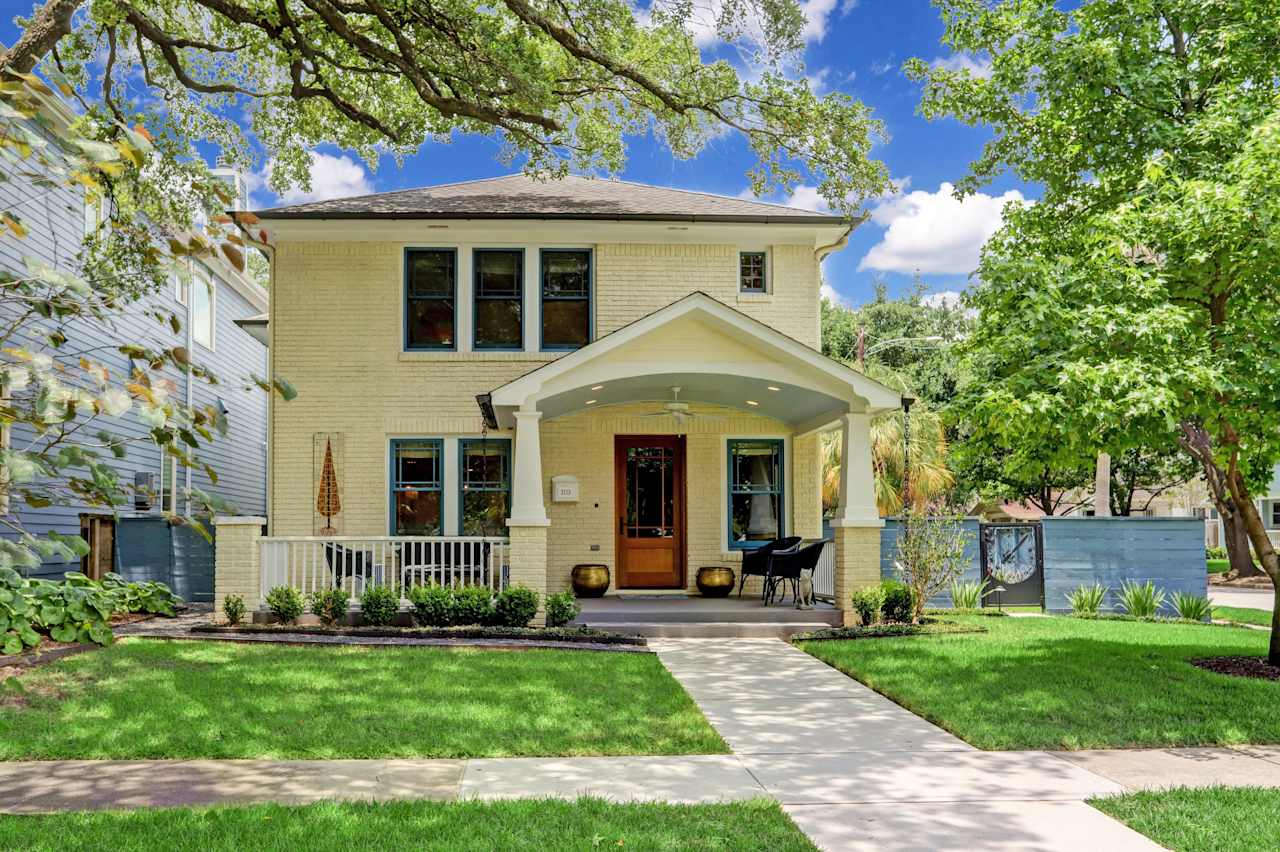
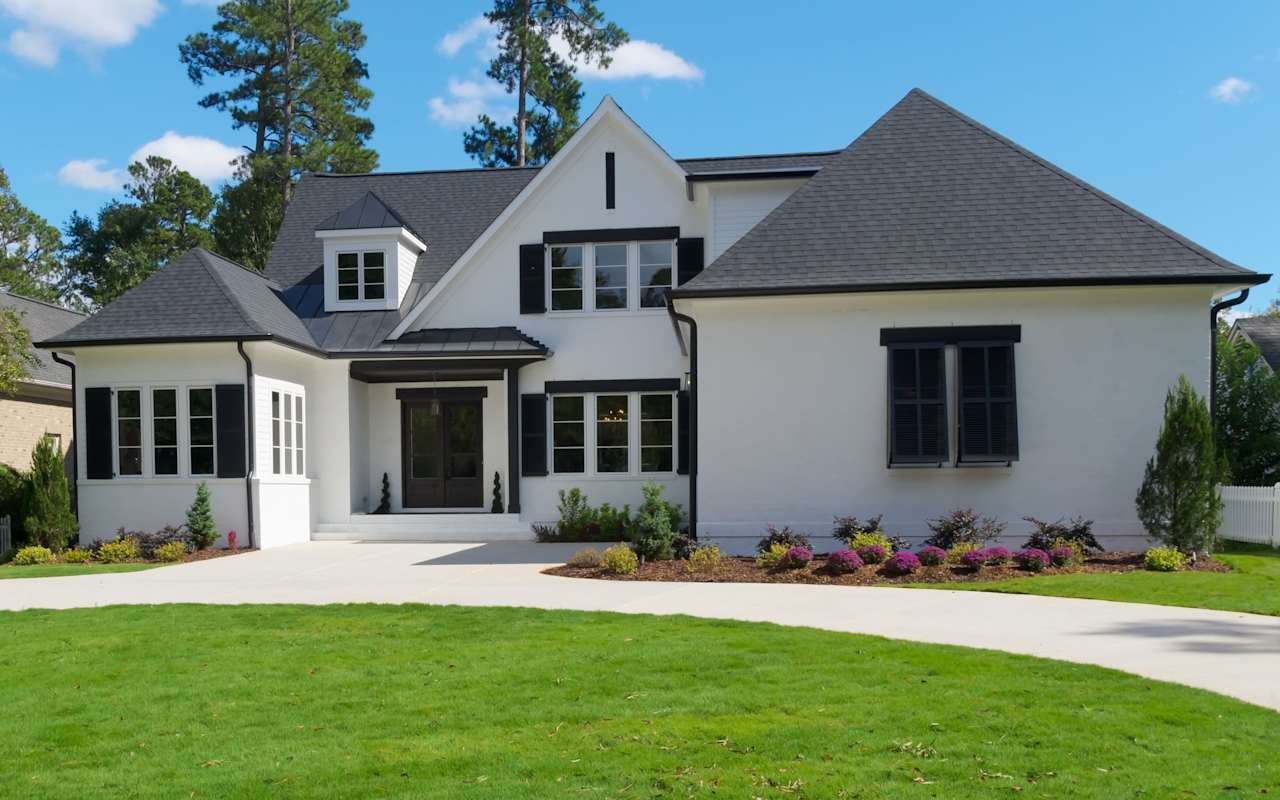
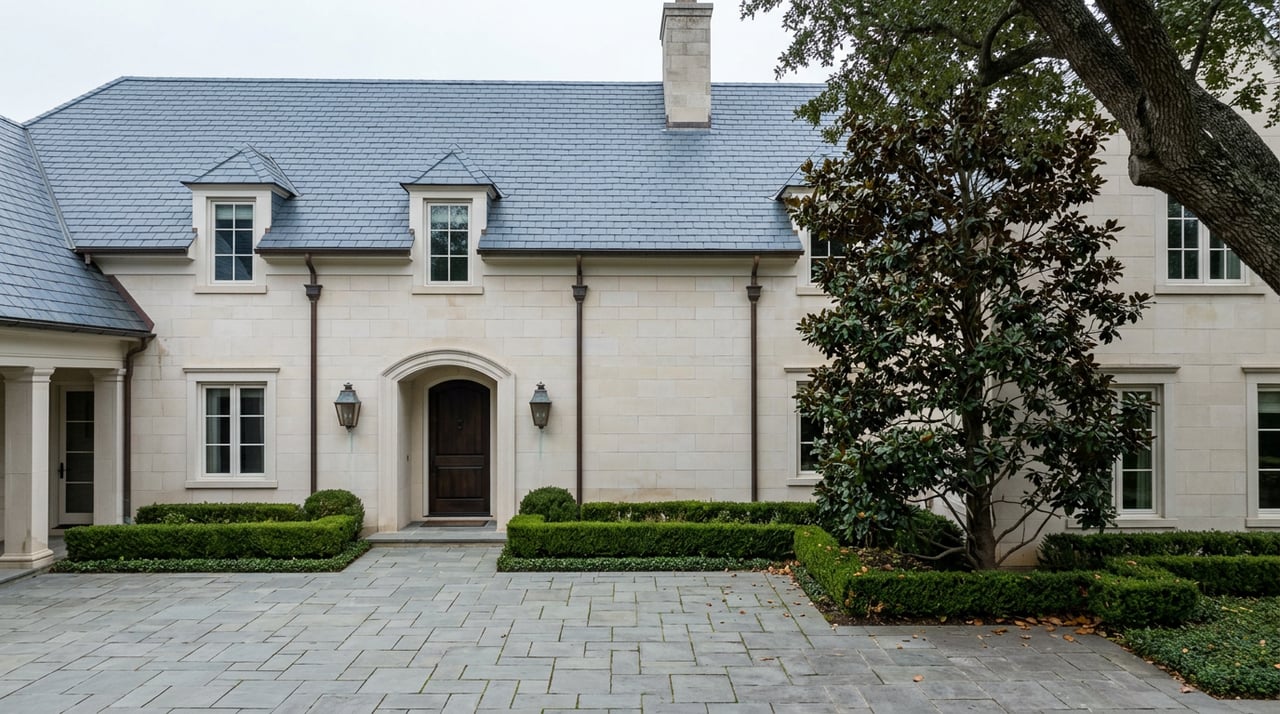
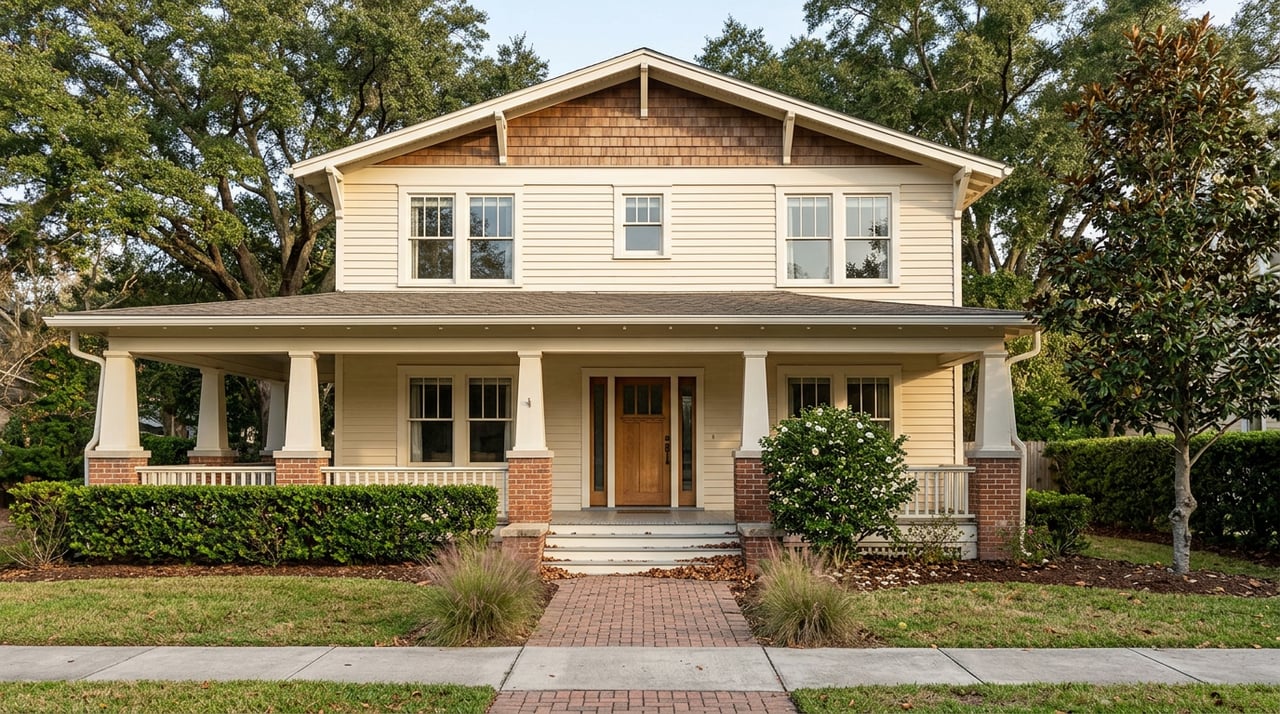
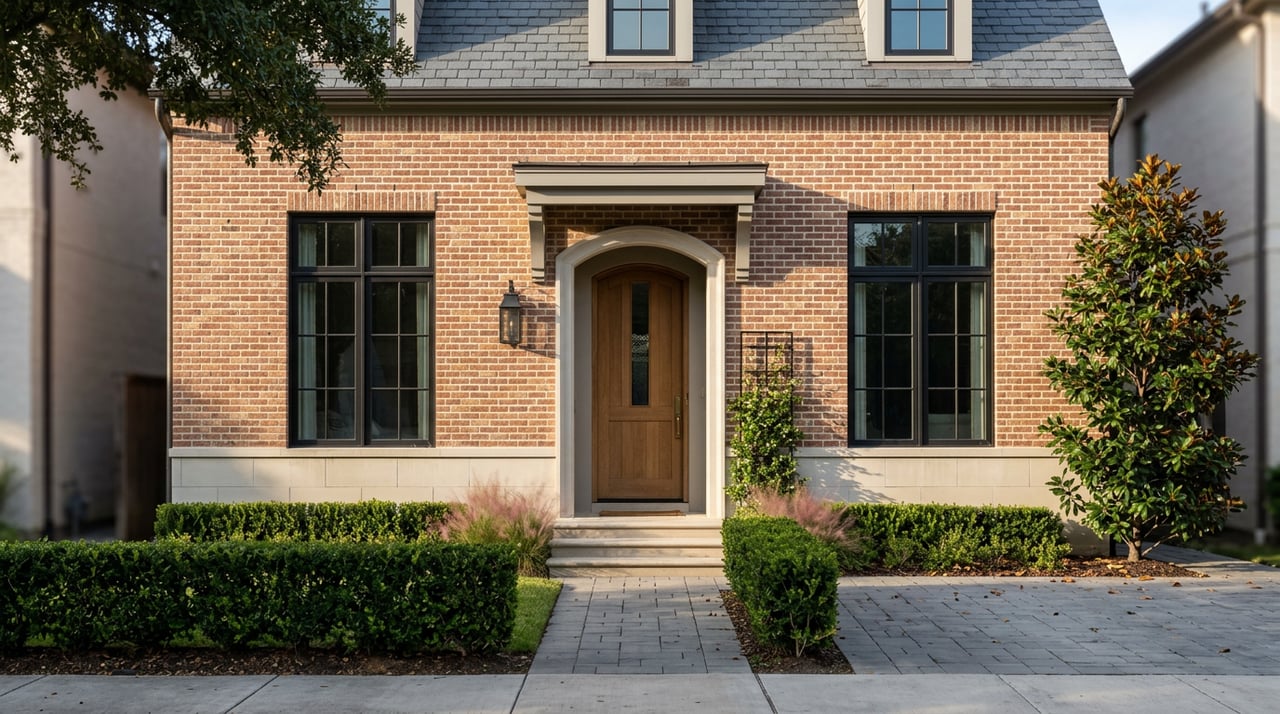
Southampton has a well-established architectural identity. City of Houston landmark reports describe the area’s housing stock as a mix of classical Georgian and Tudor Revival homes, along with brick cottages, bungalows, and American Foursquare examples.
In practical terms, you will likely see more architectural variety here than in newer planned communities. Some homes present formal symmetry and traditional detailing, while others have a more cottage-style or bungalow look that reflects the neighborhood’s early development.
The streetscape also adds to the setting. City reports specifically highlight the live oak tunnels along Sunset and Rice Boulevards as a hallmark of the neighborhood, which helps explain why Southampton feels so established and memorable when you drive through it.
Lot Sizes and Neighborhood Layout
Southampton is not a neighborhood of sprawling suburban acreage. Sample City of Houston designation reports reference a 6,000-square-foot lot and a 7,440-square-foot corner lot, which suggests the area generally includes several-thousand-square-foot lots with variation by parcel and block.
For many buyers, that is part of the trade-off and part of the charm. You gain a close-in location, historic setting, and neighborhood cohesion, while lot dimensions tend to be more compact than what you might find farther from central Houston.
Corner lots and interior lots may feel different in both layout and use. If outdoor space, garage access, or future project plans matter to you, it is worth reviewing the exact survey and property details before making a decision.
Historic Character and Preservation Rules
Southampton’s long-term appeal is closely tied to preservation. City reports note that early deed restrictions required single-family residences, minimum setbacks, and alleys, and the civic association has actively defended those restrictions over time.
That consistency can be a real advantage if you value neighborhood character. Buyers who want a cohesive historic setting often appreciate that Southampton has retained many of the original planning features that shaped it.
At the same time, city reports also note that some historic houses have been torn down and newer modern residences have been built. So while Southampton has a strong traditional identity, you should expect a mix of original homes, updated homes, and some newer construction.
What to Verify Before Remodeling
If you are considering a purchase with renovation plans, do your homework early. The Houston preservation office says designated landmarks, protected landmarks, and historic-district properties generally require a Certificate of Appropriateness for exterior work.
That does not mean every property in Southampton is subject to the same level of review. It does mean you should confirm the exact status of the home you are considering and understand any deed restrictions that may apply before planning major changes.
A simple checklist can help you stay organized:
- Verify whether the home has any landmark or protected landmark status
- Review applicable deed restrictions for the property
- Confirm setback, exterior, and alley-related considerations
- Ask about prior additions or alterations
- Understand what approvals may be required for future exterior work
Commute and Transit Advantages
Southampton’s close-in location is one of its strongest lifestyle benefits. If you commute to the Texas Medical Center, Museum District, or central Houston destinations, you have multiple practical ways to get around.
METRO’s Red Line is especially relevant for buyers in this area. METRO says the line provides access to the Texas Medical Center, Museum District, Houston Zoo, Theater District, NRG Stadium, University of Houston, and Texas Southern University, with nearby stations including Museum District, Hermann Park/Rice U, Dryden/TMC, and TMC Transit Center.
Service frequency also supports daily use. METRO reports that the Red Line runs about every six minutes on weekdays and every 12 minutes on weekends during most operating hours.
Rice University also operates Rice Village-related shuttle service during the school year, including Friday evening and Saturday service. For residents who spend time in the campus-adjacent shopping and dining areas, that can be a useful bonus.
Parks, Culture, and Everyday Lifestyle
Southampton offers more than a convenient address. The surrounding area includes some of Houston’s most established cultural and recreational destinations, which adds depth to day-to-day life.
Hermann Park is one of the biggest draws nearby. The City of Houston describes it as a cultural and recreational hub surrounded by the Texas Medical Center, Rice University, the Museum District, and nearby residential neighborhoods, with amenities that include Hermann Park Golf Course, Miller Outdoor Theatre, the Houston Zoo, the Museum of Natural Science, the Japanese Gardens, and the Rose Garden.
Within the neighborhood itself, Fleming Park is another meaningful amenity. The Southampton Civic Club says the park has been enjoyed since the 1920s, and community groups support events such as movie nights, a Halloween party, and an annual Splash Day party.
For buyers, this points to a neighborhood that blends private residential living with access to parks, public spaces, and major Houston institutions. That combination is not easy to find in one place.
Who Southampton Fits Best
Southampton tends to work best for buyers who want a close-in single-family neighborhood with history and identity. If you value being near Rice University, the Texas Medical Center, and the Museum District, the location story is easy to understand.
It can also be a strong fit if you appreciate traditional architecture and established streets rather than a newer master-planned feel. The neighborhood’s mix of classic homes, shared alleys, and mature canopy gives it a look and rhythm that stands apart.
The best fit usually comes down to priorities. If you want bigger land above all else, you may prefer a different type of neighborhood. If you want character, location, and a strong sense of place, Southampton is worth serious consideration.
Smart Buying Tips for Southampton Homes
When you tour homes in Southampton, keep your focus on both the house and the block. In a neighborhood with historic housing stock and a long-established layout, details matter.
Here are a few smart things to watch:
- Compare original architectural features with later updates
- Look closely at lot layout, alley access, and parking setup
- Ask about the age and condition of major systems
- Review any known restrictions or preservation-related requirements
- Consider how the location supports your daily routine near Rice, the Medical Center, or museums
A neighborhood like Southampton rewards careful evaluation. The right home can offer not just a strong address, but also long-term enjoyment tied to architecture, access, and setting.
If you are weighing whether Southampton is the right fit near Rice University, local guidance can make the process much clearer. For personalized insight on homes, blocks, and what to verify before you buy, reach out to Gayle G. Kennedy.
FAQs
What kinds of homes are common in Southampton near Rice University?
- Southampton is known for older single-family homes in styles such as Georgian, Tudor Revival, brick cottages, bungalows, and American Foursquare designs.
How large are lots in Southampton Place?
- Sample City of Houston reports reference lots of 6,000 square feet and 7,440 square feet, so buyers should generally expect several-thousand-square-foot lots with some variation.
Is Southampton close to the Texas Medical Center and Museum District?
- Yes. Official city, university, and METRO sources place Southampton near Rice University, the Museum District, Hermann Park, and the Texas Medical Center.
Are there deed restrictions in Southampton?
- Yes. City reports and the civic club note that deed restrictions have long shaped the neighborhood, including requirements tied to single-family use, setbacks, and alleys.
What should buyers check before remodeling a Southampton home?
- Buyers should verify deed restrictions and confirm whether a specific property has landmark, protected landmark, or other preservation status that could affect exterior changes.