Trying to choose between Southampton and West University Place for your Inner Loop home base? It is a smart question, because these two close-in areas may look similar at first glance, yet they live very differently day to day. If you want a clearer way to compare commute patterns, housing character, lot layout, and how change is managed, this guide will help you sort through the details and focus on what fits your life best. Let’s dive in.
Southampton and West U at a glance
Southampton and West U are both well-known Inner Loop residential areas near major Houston destinations, but they are not the same kind of place.
West University Place, often called West U, is its own incorporated home-rule city of about 2 square miles. The city describes itself as a small-town, tree-lined residential enclave with quick access to downtown Houston, Rice University, the Texas Medical Center, and the Galleria/Uptown area.
Southampton, by contrast, is a Houston neighborhood rather than a separate city. Houston landmark documentation describes Southampton Place as a 160-acre residential subdivision established in 1924 with 626 home sites near Rice University, the Museum District, and the Texas Medical Center.
That basic difference shapes a lot of what you will experience as a homeowner. West U tends to feel more municipal and service-driven, while Southampton tends to feel more historic and association-guided.
West U offers a city-run feel
If you like structure, consistency, and a more municipal approach to neighborhood life, West U often stands out.
The city’s planning documents describe a largely built-out community that aims to preserve its traditional single-family character, mature trees, and permeable land surfaces. In practical terms, that means the city has a strong hand in how redevelopment fits into the area over time.
West U also emphasizes parks and recreation as part of daily life. City materials highlight tree-lined streets, well-maintained homes, multiple neighborhood parks, and a recreation center positioned as a hub for fitness and wellness.
Southampton offers historic neighborhood character
Southampton tends to appeal to buyers who want a more historic streetscape and a stronger preservation mindset.
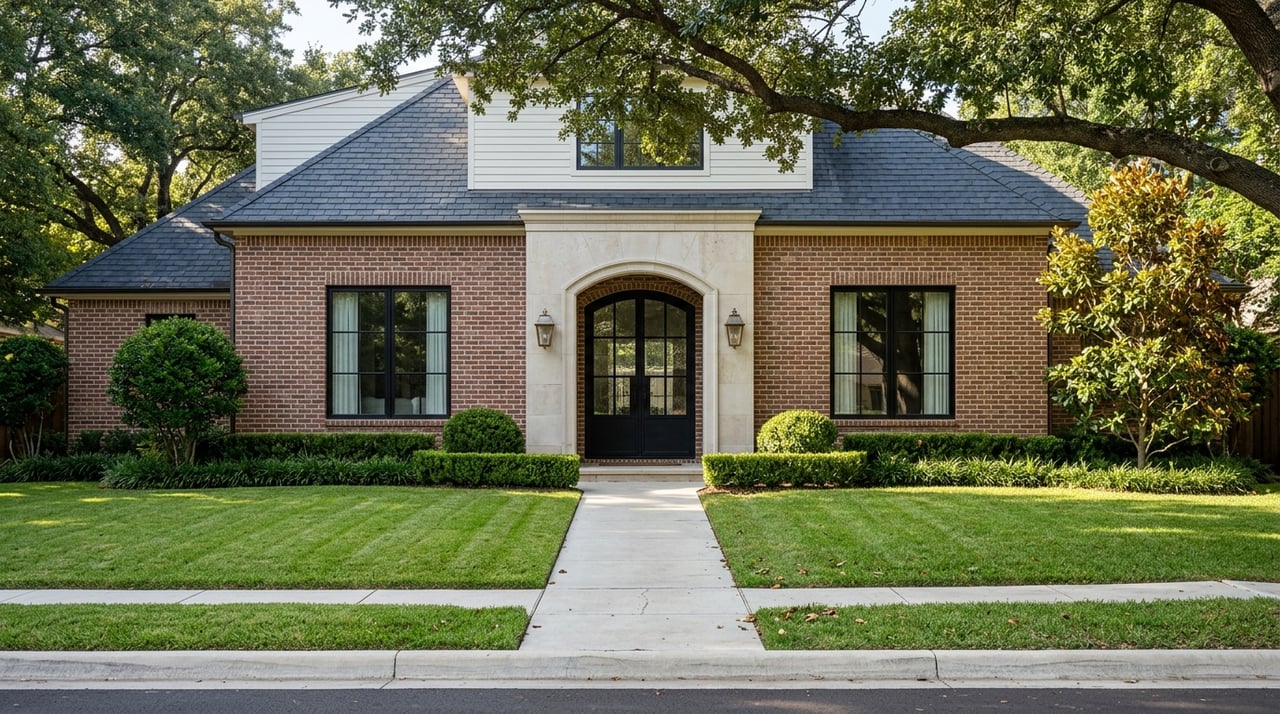
Houston landmark documentation ties Southampton Place to early- and mid-20th-century residential design, including Colonial and Colonial Revival examples among its landmarked homes. The neighborhood’s long-standing identity is tied not only to architecture, but also to the way its blocks were originally planned.
A defining feature is the shared alley system. According to Houston’s landmark report, these alleys help reduce curb cuts, support larger front-yard space, allow room for trees, and create more on-street guest parking.
Housing stock feels different in each area
While both areas are close-in and established, the housing mix and redevelopment pattern are not identical.
West U homes and lot patterns
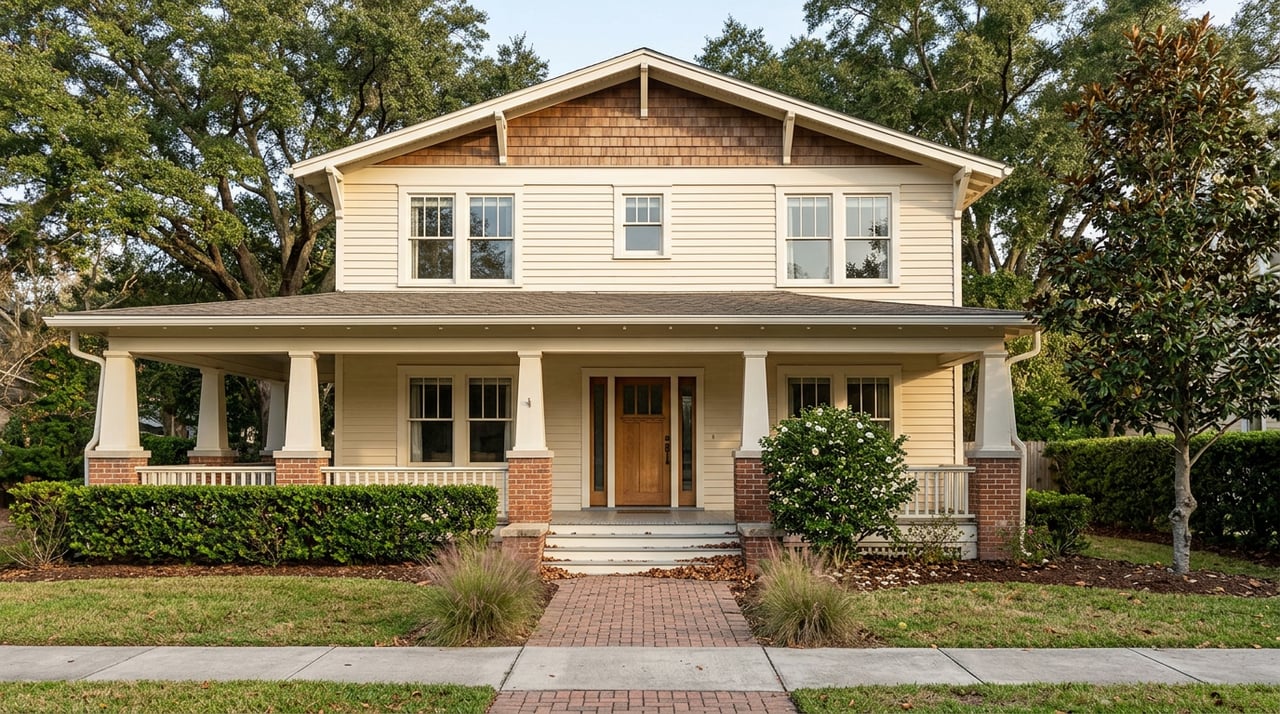
West U began with many two-story homes, cottages, and bungalows. Over time, many original homes were replaced by larger two-story custom homes, according to the city’s comprehensive plan.
The city’s standards also support a more regular lot form. Lots should be as rectangular as possible, side lot lines should be close to right angles, and each lot must have at least 40 feet of street frontage.
For buyers, that can translate into a more standardized physical layout from block to block. In some cases, buyers also consolidate adjacent lots to gain more yard area or building space.
Southampton homes and alley-served lots
Southampton’s built form reflects its 1920s planning roots. The neighborhood still centers on alley-served lots, which gives many blocks a different rhythm and curb appeal than what you see in more standardized city-planned settings.
That alley pattern affects how garages, front yards, and guest parking may feel on a given street. If you value old-Houston texture and a neighborhood layout that feels distinct, Southampton often has a strong pull.
Remodeling rules matter in both places
One of the biggest practical questions for buyers is simple: how easy is it to change a house later?
The answer in both areas is that change is possible, but it is not casual. The difference is how oversight happens.
West U uses city regulations
In West U, remodeling and redevelopment are shaped by city zoning and development rules. The city’s planning framework reflects a clear interest in preserving neighborhood character, lot standards, mature trees, and residential security.
If you are considering a teardown, major addition, or substantial new construction, you will want to understand the city process early. Buyers who prefer predictable municipal rules often see that as a plus.
Southampton uses deed restrictions and plan review
In Southampton, the oversight is tied closely to deed restrictions and civic-club review. The neighborhood’s deed-restriction process requires plan review for projects that change the footprint, enclose a porch or garage, extend over a setback line, add a story, or alter the roofline.
That means renovations are often very workable, but they are also highly visible from a neighborhood-governance standpoint. If you appreciate stewardship and architectural continuity, that can be reassuring.
Commute access depends on your daily map
Both areas offer strong access to major Houston destinations, but your best fit depends on where your week actually happens.
West U supports multiple route options
West U’s comprehensive plan identifies several major edge and connector streets, including Bissonnet, Kirby, Bellaire/W. Holcombe, Weslayan, Buffalo Speedway, Rice Boulevard, and University Boulevard.
That matters because many West U buyers think in terms of multiple commuting corridors rather than one main route. If your work or errands pull you in different directions across central Houston, that flexibility can be useful.
Southampton favors Rice and Med Center proximity
Southampton is especially tied to the Rice University, Museum District, and Texas Medical Center corridor. Houston landmark documentation places the neighborhood near all three, and METRO’s Red Line serves downtown, the Museum District, Hermann Park/Rice U, Dryden/TMC, and the TMC Transit Center.
For households centered on Rice, museum-area destinations, or Medical Center routines, Southampton can feel especially convenient. Of course, the exact block still matters when you are judging day-to-day ease.
Schools should be verified by address
When buyers compare Southampton vs West U, school patterns often come up quickly. The key point is that Houston ISD is address-based, and inner-loop zoning can change by block.
The district says each residence is assigned to a feeder pattern, and a specific address should be checked through the School Locator to confirm zoned elementary, middle, and high school options.
For West U, the city’s schools page highlights West University Elementary, Pershing Middle, Pin Oak Middle, and Lamar High School as names residents commonly track. For Southampton, civic-club resources reference Poe Elementary, Lanier Middle, and Lamar High School.
Everyday lifestyle feels different
Even when two areas share similar access on a map, the daily atmosphere can feel very different.
West U leans park-rich and civic
West U’s official materials emphasize a small-town feel, strong neighborhood identity, and an expansive park system. That gives the area a more city-supported daily rhythm, especially for people who value organized recreation resources and municipal amenities.
If you are looking for a highly managed version of Inner Loop living, West U may feel more predictable. Many buyers are drawn to that combination of convenience and structure.
Southampton leans preservation-minded and local
Southampton’s civic-club resources emphasize deed restrictions, neighborhood patrol information, tree maintenance guidance, and preservation-oriented documents. That creates a more neighborhood-led feel rather than a city-led one.
If you like the idea of living in a place where long-term architectural integrity and neighborhood stewardship are central to the culture, Southampton may feel more aligned with your priorities.
Which one fits your priorities best?
For many buyers, the clearest way to frame the choice is this: West U is the more uniformly municipal, park-rich, and rule-driven option, while Southampton is the more historic, alley-oriented, and preservation-focused option.
Neither is universally better. The right fit depends on what you value most in your home base.
You may prefer West U if you want:
- An incorporated city setting
- Strong municipal identity and services
- A more regular lot pattern
- Park and recreation amenities as part of daily life
- Multiple commute corridors across central Houston
You may prefer Southampton if you want:
- A historic Houston neighborhood setting
- Alley-served lots and distinctive streetscape character
- Strong architectural continuity
- A civic-club-led preservation culture
- Close ties to Rice, the Museum District, and the Med Center corridor
When you are buying in close-in Houston, small block-by-block differences can shape your experience as much as the neighborhood name itself. If you want help comparing specific homes, lot setups, or resale considerations in Southampton or West U, Gayle G. Kennedy can help you evaluate the details with a clear local lens.
FAQs
What is the main difference between Southampton and West U?
- West U is an incorporated city with municipal regulations and services, while Southampton is a Houston neighborhood shaped more by deed restrictions, civic-club oversight, and historic neighborhood character.
Which area has stricter remodeling oversight, Southampton or West U?
- Both have meaningful controls, but the systems differ: West U relies on city zoning and development rules, while Southampton relies on deed restrictions and civic-club plan review for certain exterior changes.
Which area is closer to Rice University and the Texas Medical Center?
- Both are close-in, but Southampton is especially tied to the Rice University, Museum District, and Texas Medical Center corridor based on its location.
Which neighborhood has a more standardized lot pattern?
- West U generally has a more regular lot form because city standards call for lots to be as rectangular as possible and to include at least 40 feet of street frontage.
How should buyers verify school zoning in Southampton or West U?
- Because Houston ISD zoning is address-based and can shift by block, you should verify the assigned feeder pattern for any specific property using the district’s address-based school lookup tools.
Which area may feel more transit-connected for Inner Loop living?
- Southampton may feel especially convenient for some transit-oriented trips because of its proximity to the corridor served by METRO’s Red Line, including stops tied to the Museum District, Hermann Park/Rice U, and the Texas Medical Center.